
Metal Forging Press Suppliers for Algeria: Evaluate More Than Rated Capacity
Two quotation for a forging press can have the same nominal capacity but offer different production. The combination of the working motion, tooling space, ejection system, and equipment included may be different enough to affect whether or not a particular component can be reliably produced.
The helpful comparison begins with a common technical brief for buyers who are looking into metal forging press suppliers Algeria. Provide the same application details to all suppliers and evaluate the clarity of the supplier’s proposal to relate the machine to the operation. Those differences must be understood before a lower price will make sense.
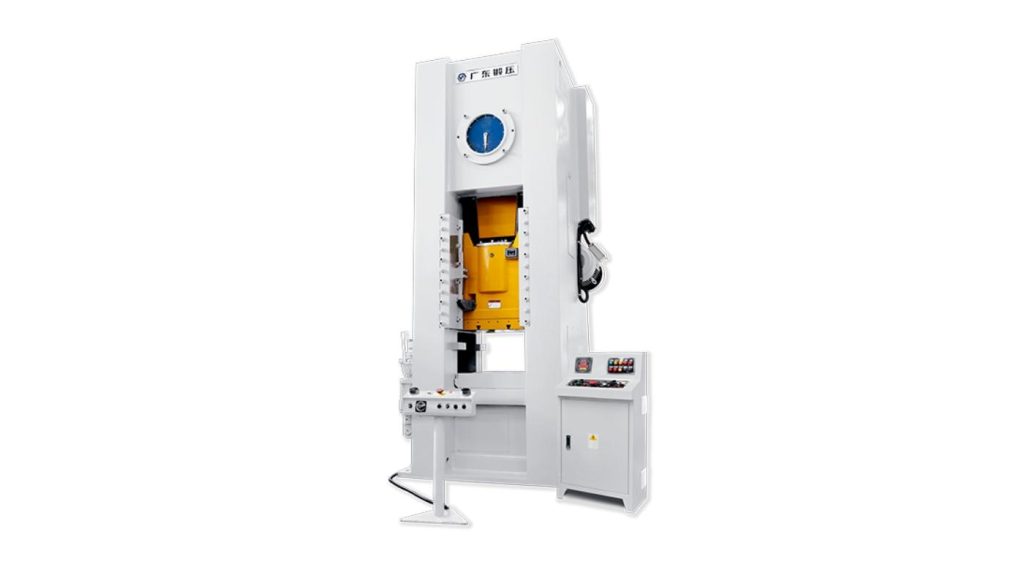
Provide a uniform Application Brief to Every Supplier.
Make a controlled description of the component and proposed manufacturing route. Drawings, billet dimensions, forming temperature, expected output and material grade/delivery condition. Understand how to identify the features that will need to be formed and which will require later machining.
Indicate if a process is in place or being developed. An existing set of trial data may help to make a more specific recommendation, or an unproven route may need simulation, tooling development and further testing prior to equipment selection.
Forge press families to discuss are available in the GUANGDUAN’s forge press range. Challenge suppliers to identify any assumptions they’ve made and what is still required. Ensure revisions are consistent; competing proposals respond to the same need.
Challenge the Proposed Mechanism with Questions
A supplier needs to provide an explanation of machine movement and deformation. The nominal capacity does not indicate where the force is available, how much working travel is required for the operation or if the drive can provide enough energy for the operation.
With an eccentric-shaft design, the JH31 closed type single point forge press publishes model-specific rating positions, stroke and tooling dimensions. These values are used to set questions to check against the actual operation.
The GK knuckle joint press is a crank toggle press, and mentions extrusion applications. It has a number of different working characteristics that need to be evaluated separately. Ask for a written explanation of why the platforms are similar.
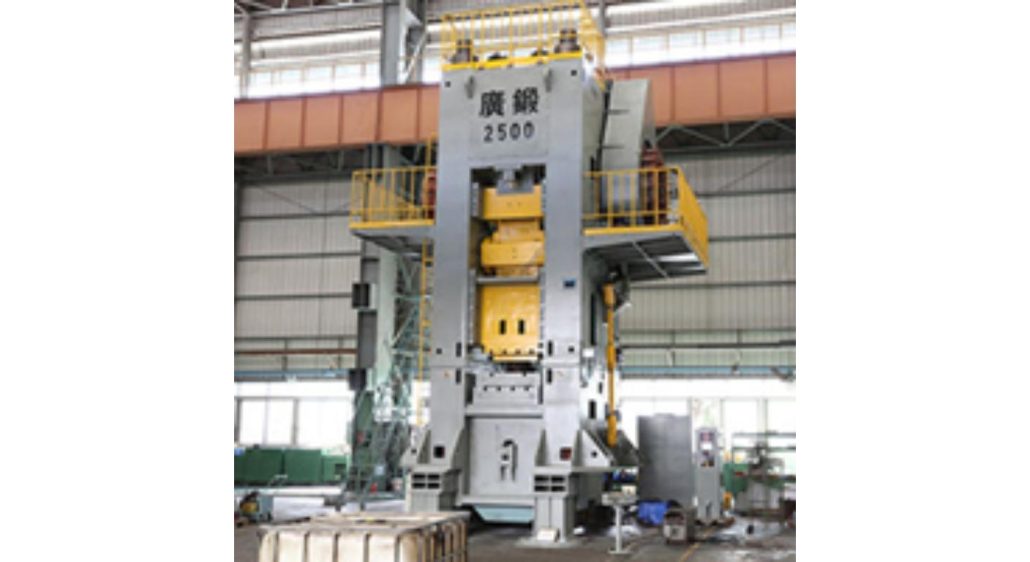
Allows you to compare the Complete Tooling Interface.
A quotation should specify how the machine that has been proposed will make room for the production tool. Check die height, slide adjustment and mounting surfaces and supporting area under loaded portion of die.
Take the entire working scenario into account. Clamps, holders, backing plates and all stripping/ejecting parts take up space. Not only check if the tool fits in the table dimensions but also its load centre and loading conditions.
There should be an article about part release. Request the suggested ejection force, travel and timing, as well as an upper stripping requirement (if one exists). A machine that is able to make the deformation but cannot release the component uniformly has not yet been proven to be a viable production process.
Highlight Everything that is included in the price.
Ask for a configuration schedule, listing the standard equipment, the options and omissions. Even if the machines seem similar, monitoring devices, feeding equipment and die change provisions and tooling can be considered separately between proposals.
Check model-specific availability. The presence of a feature in a catalogue elsewhere does not indicate that it is fitted on a machine that is quoted. Take note of the exact model and technical revision of the records of agreed choices.
Also set a boundary between press and other equipment. Determine who provides control interfaces, handling devices and installation materials. If it’s priced the same it has to be the same scope – if it is not it shouldn’t just go away behind some general promise of it will be part of a full solution.
| Proposed alternative | Evidence to request | Related item to recheck |
| Different press model | Revised selection rationale | Tooling compatibility |
| Different operating speed | Updated cycle assessment | Handling capacity |
| Changed ejection arrangement | Tool-release explanation | Die design |
| Different component or control option | Updated technical documentation | Maintenance and spare parts |
Ask for Evidence that Answers the Application.
Photographs and the history of the manufacturing of the parts give background but not proof that a proposed press can make the parts. Request information pertaining to the machine, loading conditions and intended forming operation.
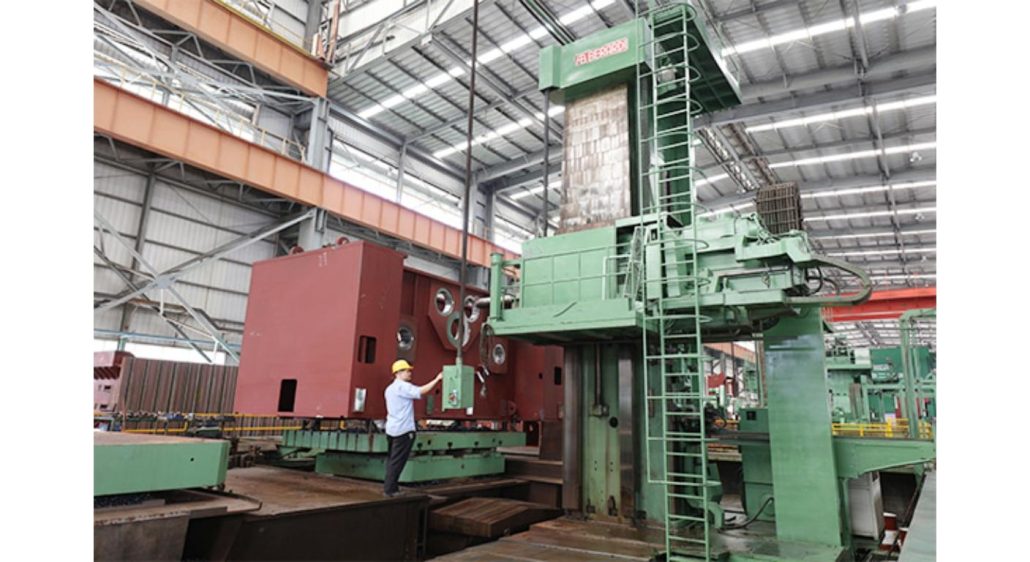
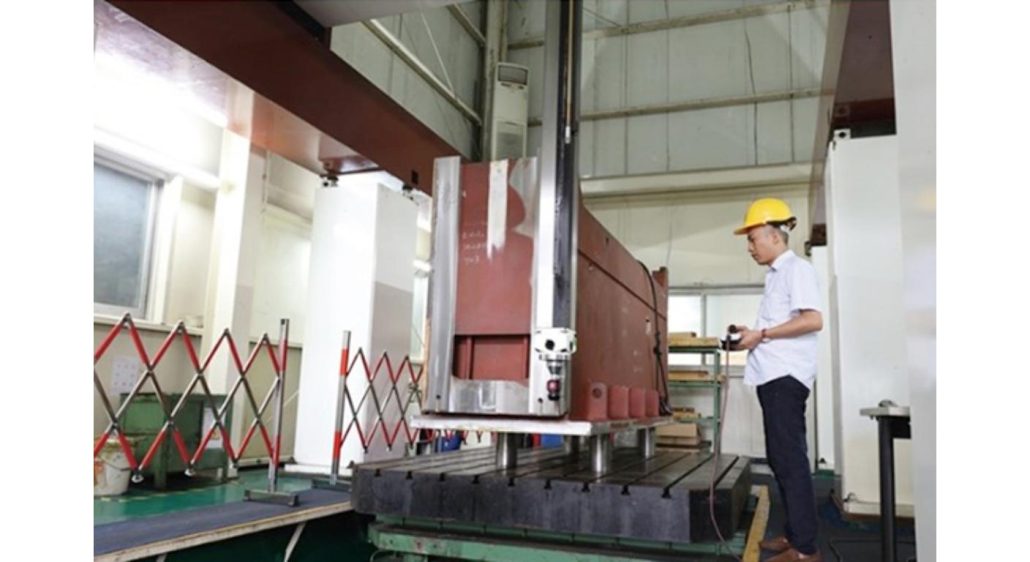
GUANGDUAN’s technical advantages page provides information on machining and inspection. Know how to use this information to discuss the manufacturing and verification of the offered machine. Ask for the appropriate inspection logs and do not consider equipment photos as acceptance results.
If a supplier has a reference project, differentiate process experience and an identical application. The requirement may vary depending on the different materials, tooling or deformation depths. Document the findings for which the reference supports and others that require further verification by project engineering.
Explain what is meant by the term “Acceptance before the Trial Begins”
Discuss and reach a consensus on the factory acceptance conditions during the finalisation of the technical proposal. Describe machine checks, typical tooling and material needed, and characteristics of the component that will result in a good outcome.
If production tooling is not available, then record the limitations of the test. Selected functions can be verified by an unloaded cycle or a trial performed with unrelated tooling but can never be determined with the buyer’s component.
If part trials can be made, test the repeated parts under recorded settings. Measure accepted output including handling & ejection. Do not confuse machine acceptance with some other part of the qualification of the component such as final properties following downstream treatment. There is a need for appropriate evidence for both, along with clearly defined responsibilities.
Link Shipment to Readiness in Algerian factory.
Check the receiving site access, lifting arrangements, foundation and utility requirements with the site prior to shipment approval against the selected configuration. Have installation documentation in advance to allow site preparation.
Define the handover between factory testing, delivery, installation and commissioning. Provide for accountability of work done and how findings will be closed. The shipment date is not enough by itself to determine the date when the machine is ready for the production.
Verify documentation and training language needed by Algeria team. In the scope specify if French material/interpretation is required. Check availability – not all overseas supply arrangements provide the same support.
LTSS with Specific Commitments
Inquire about technical issues post-installation and what data needs to be gathered to diagnose fault. Differentiate between remote assistance and on-site assistance and the individuals providing each service and on what conditions they may be provided.
Ask for a list of spares that the supplier recommends for the machine delivered and for the identification of the parts. Distinguish between stock and ordered from manufacturer. This should not be presumed based on the salesman/agent’s location.
Send the application brief to GUANGDUAN and ask them to provide a technical and commercial proposal. Compare suppliers based on process suitability confirmed, scope/support and retain one set of approved documents as a purchasing reference.
Conclusion
In the process of comparing the metal forging press suppliers from Algeria, there should be a common application brief and the acceptance conditions should be clear. Discuss the mechanism, tooling interface and equipment provided as a group. Price differences are easier to interpret in the light of a documented proposal and this provides a basis for the buyer to approve delivery and production readiness.
FAQs
Q1. Does the nominal capacity of the forging press decide on the right forging press?
Not at all. Working position, energy, tooling and ejection also are important. Evaluate them in comparison to the entire forming process.
Q2. Can JH31 be substituted with GK?
No. They have different mechanisms and working characteristics. Ask for an explanation of a selection process in a particular process.
Q3. Should a catalogue feature be automatic included in the quotation?
No, check if the configuration is included and what is the exact model. Write separately options and exclusions.
Q4. Are un-loaded demos a substitute for component testing?
No. Confirms selected machine functions. Representative tooling, material and acceptance criteria are needed to achieve component performance.
Q5. What makes it easier to compare suppliers’ quotations?
Make one use of application brief and scope definition. Ensure all suppliers make clear assumptions, exclusions and acceptances.
CONTACT US


Guangdong Metal Forming Machine Works Co., Ltd.
We are always providing our customers with reliable products and considerate services.
If you would like to keep touch with us directly, please go to contact us
-

Home
-

Tel
-

Email
-

Contact