
Choosing Cost-Effective Forging Machines for GCC Industrial Projects
When a GCC company buys an inexpensive forging machine for their business, it’s not as easy as looking for the lowest quotation. Equipment price is just one component of investment. Factors such as freight, handling customs, installation, energy consumption, tooling, and maintenance and unplanned downtime all contribute to the final cost.
This is especially crucial for manufacturing and equipment distributors in Saudi Arabia, UAE, Oman, Qatar, Kuwait and Bahrain. The machine needs to be compatible with the process of forging and must be able to perform with reliability in the temperature, dust, electrical service and service environment of the site.
Thus, the most cost-effective press is the one that can satisfy the needed production while having a cost of landed goods which is not too high and having a reliable long-term support.
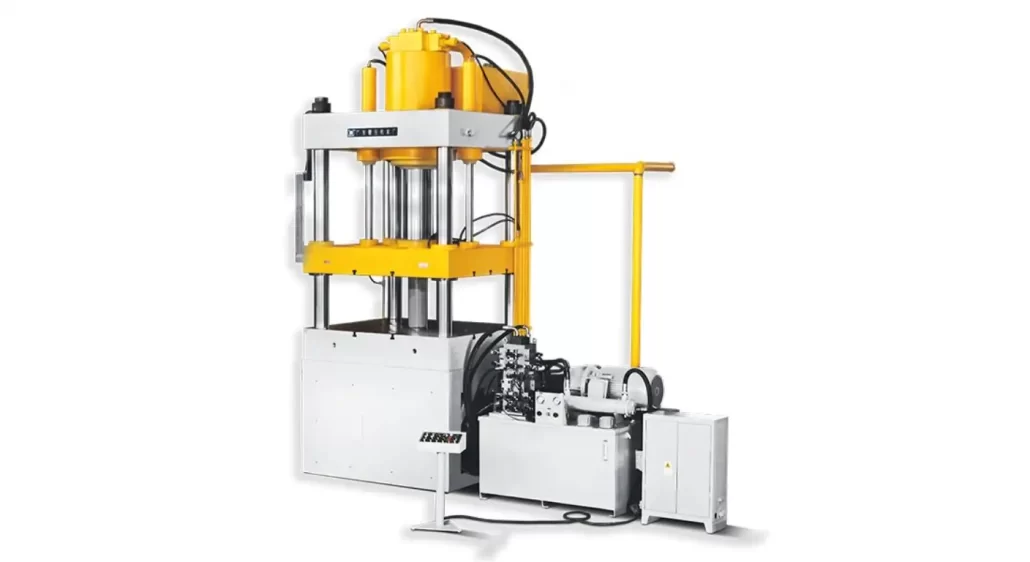
Establish the project’s definition of “Affordable”
Low purchasing price does not mean low production cost! If a machine needs regular repairs and/or is consuming too much energy and/or has not achieved the desired throughput, it can cost more in its early years.
Evaluation of the affordability should be done on a cost per acceptable forged part basis. Machine price, shipping, installation, tooling, power, labor, planned maintenance, spare parts, and expected level of utilization should all be taken into account with this calculation.
The design service life needs to be taken into account as well. When there are lower rejection rates and less downtime due to a more robust frame construction and dependable controls and automation, a greater investment can be justified.
Start off with the Forged Part
Instead of purchasing based on a supplier’s typical machine model, the purchasing process should begin with the component. Specify the material, billet size, finished forging shape, forging temperature, forging force and quantity and dimensional requirements.
GCC manufacturers can utilize a forging equipment for manufacturing fasteners, valves, pipe fittings, flanges, shafts, construction machinery parts and oil and gas equipment parts and components. Not every of these applications can be done on the same press.
When a supplier quotes capacity it is important that they first have the opportunity to review part drawings and production targets. Guangduan’s line of forge press machine is designed with different configurations to meet various hot and cold forge needs.
Choose the right Forging Machine Type
Mechanical forging presses offer rapid and repeatable motion, and for stable, high-volume production, can be cost effective. Their force and slide-motion characteristics need to be right at the point where the material produces maximum resistance.
Hydraulic presses are able to offer variable force, speed and dwell within a long stroke. They can be used in operations that require flexible control; cycle time and hydraulic-system efficiency should be carefully analyzed. When controlled pressure is an important process requirement, buyers can consider the various hydraulic press configurations available.
Knuckle-joint presses are often thought of for precision forging or sizing because of their controlled motion as the stroke nears the bottom. The 2500-ton knuckle-joint forging press of Guangduan exemplifies characteristics like hydraulic slide adjustment, automatic die-changing function and die cushion.
Production need rather than lowest listed price should determine the machine type.
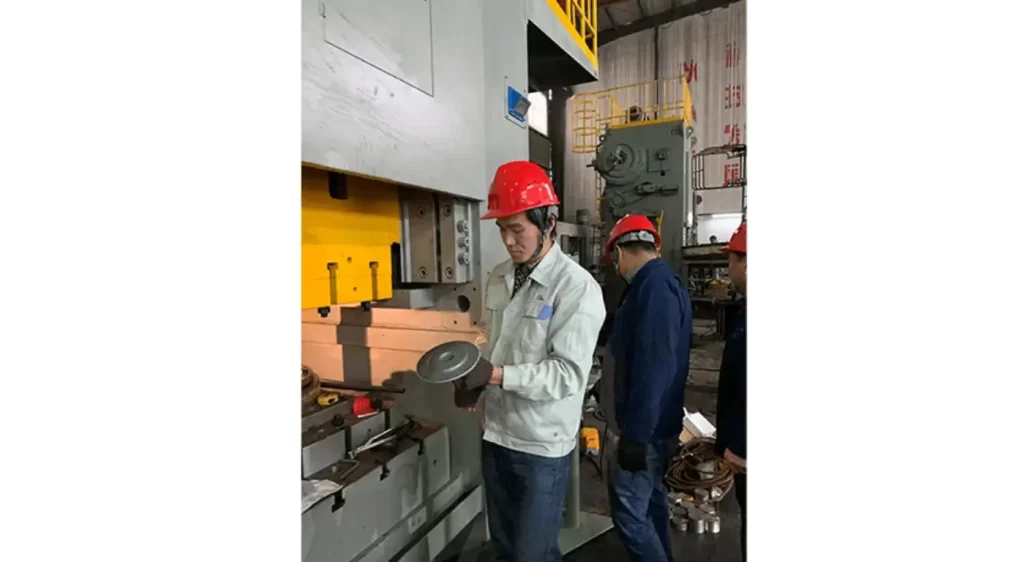
To calculate the Complete Landed Cost.
A good quotation will distinguish the cost of the machine and export and project costs. Buyers should check the terms of the offer (EXW, FOB, CFR or CIF) and who is responsible for each stage.
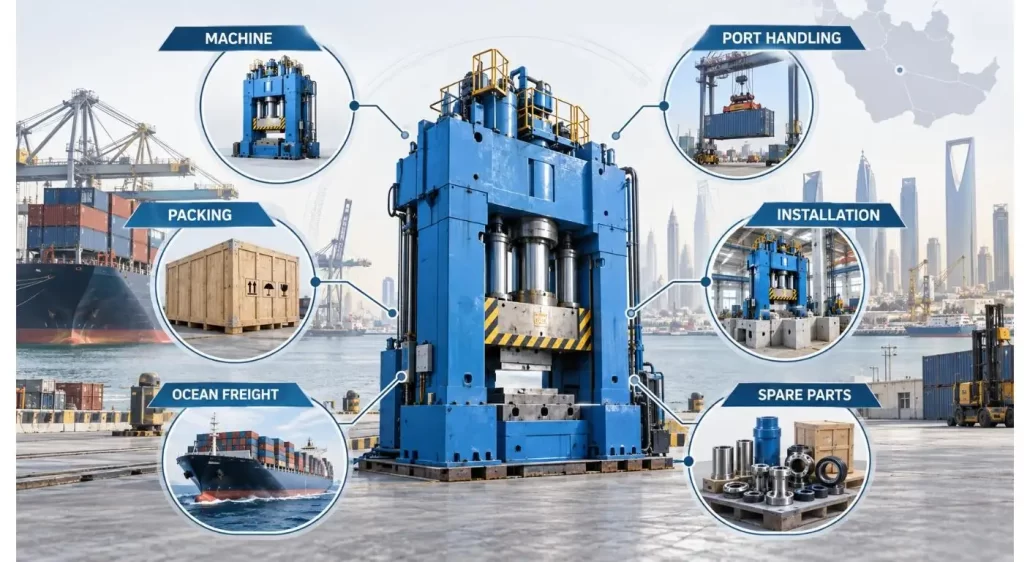
The price of ocean freight can fluctuate greatly depending on the size of the machine, weight and whether the press is assembled or disassembled. Oversized equipment may need special containers, break bulk and heavy lift unloading and/or abnormal-load transport from the port.
The budget needs to include foundation construction, crane rental, utilities, installation techs and commissioning materials and operator training. Estimates of these costs should be made prior to comparing supplier quotes.
| Cost Category | Items to Confirm | Commonly Overlooked Cost |
| Machine | Press, controls and standard accessories | Optional functions |
| Export packing | Crates, rust protection and labeling | Oversized packaging |
| International freight | Container, break-bulk or heavy-lift shipping | Port surcharges |
| Local logistics | Unloading and inland transport | Heavy crane rental |
| Site preparation | Foundation, power and cooling | Civil engineering changes |
| Commissioning | Installation, testing and training | Technician travel expenses |
Modify Machine for GCC Operation Conditions
Ambient temperature can impact the hydraulic oil, electrical cabinets, seals, lubricants and control components. The supplier should be informed of the temperature, humidity, dustiness and ventilation conditions that are expected to exist in the installation location.
If required, give an oil cooler, cabinet air conditioner or dustproof enclosure/exhaust filtration. Motors, sensors, cables and hydraulic seals should be appropriate for the operating environment as stated.
Electrical data must be verified at the site; don’t take it for granted. Specify necessary voltage and frequency, phase, voltage fluctuation and control voltage allowed. Delivered units can also be costed up by transformers or frequency changes after delivery, which may cause a delay in commissioning.
It is also possible that a machine near the coast might need extra corrosion protection of exposed surfaces, electrical cabinets and spare parts.
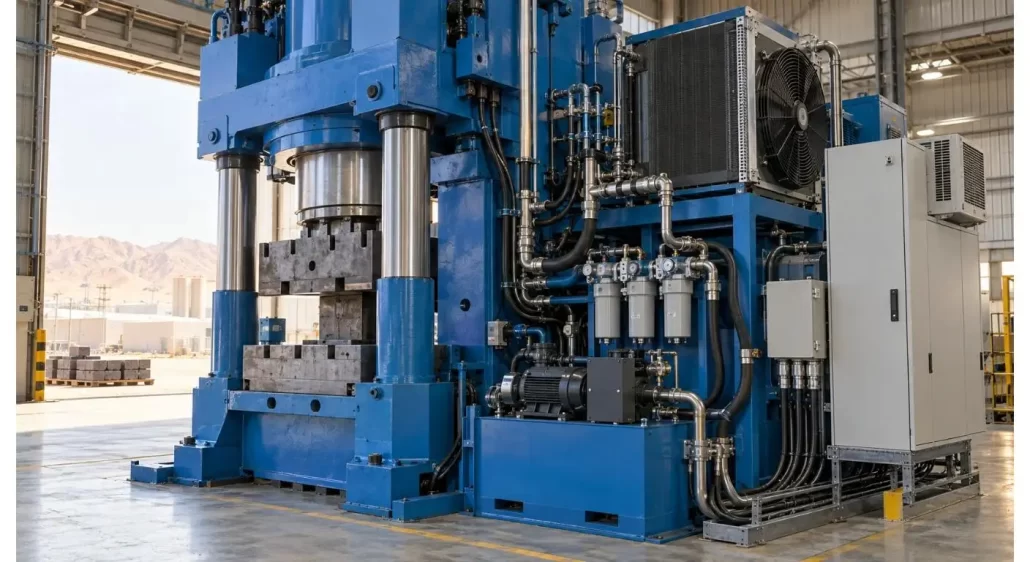
Don’t just automate, but do so in line with production.
Although automation can minimize dependence on labor, and enhance cycle consistency; unnecessary automation increases investment and maintenance complexity. The correct level is a function of the part weight, operating temperature, cycle time and annual volume of production.
Manual loading can be used with a production cell with suitable guarding. For heavier or hotter parts, a forging manipulator, robot, conveyor or automatic feeding system may be warranted. Quick die change equipment is useful when there are several families of parts, each with smaller quantities, being produced in the factory.
Those who are considering a larger system can look at Guangduan’s industrial metal-forming solutions for instances of press and material-handling integration as well as production monitoring.
Check Export Documents & Delivery Scope
Make a document list for the customs clearance and technical handover before placing an order. Requirements vary from destination to destination, machine/authority etc and must be confirmed by the GCC importer or customs representative.
Some of the most common commercial documents are the invoice, packing list, bill of lading and certificate of origin. Also, machine specification, electrical drawings, hydraulic diagrams, manuals, test records and component certificates could be required for the project.
Ask for the packing plan prior to shipping. The main components should be shielded from moisture, corrosion, vibrations and damage from handling. All crates must be marked with an identification number which is clearly marked on the packing list.
Assess Spare Parts and Technical Support
Wear parts and technical assistance must be available and is the only way to keep a forging machine affordable. Find out from the supplier what are the consumable, critical and long lead time components.
Spare parts may include seals, filters, sensors, relays, lubrication parts and model-specific parts that are included in the initial spare parts package. Verify part number, parts required and part change frequency.
If remote troubleshooting is desired, it should be readily achievable with good electrical documentation and accessible control system. If it is a complicated installation, specify who is available to do the job, travel charges, response time and the service available in the local area prior to signing the contract.
| Verification Area | Information to Confirm | Evidence Required |
| Electrical system | Site voltage, frequency and control voltage | Electrical diagram |
| Ambient conditions | Temperature, humidity and dust | Component suitability list |
| Cooling | Oil and cabinet temperature control | Cooling specification |
| Export packing | Moisture and corrosion protection | Packing plan |
| Spare parts | Critical and long-lead components | Recommended parts list |
| Support | Remote and on-site response arrangements | Service scope |
Check and Test prior to Shipment
This is because factory acceptance testing minimises the possibility of technical issues being found upon arrival at the GCC site. The plan for the inspection should be agreed upon prior to the manufacturing process.
Test should confirm rated capacity, slide movement, safety devices and control functions, lubrication, temperature control and repetition. If possible, the machine should be tested using the purchaser’s tooling or with a representative load.
When a buyer is considering a forging supplier or a press, looking at past cases of forging and press installations can help the buyer know more about how the supplier has dealt with large equipment forging and automation and machine acceptance.
Write down the settings and measurement data approved, take photos and videos. These documents will be used as a reference for site commissioning and future service discussions.
Conclusion
When considering affordable forging machines for export in GCC, the total project cost and production value, and not the purchase price, should be considered. When machines are correctly selected, adapted to the climate, and the shipping costs are clearly displayed and the supply of spare parts reliable, the buyer is spared of unnecessary costs.
Comparing suppliers, and successfully launching production, is done on a stronger basis with a part based RFQ and witnessed factory acceptance test.
FAQs
Q1. What is the cheapest forging machine that can be used in a GCC factory?
This varies depending on the component, force requirement and output target. Mechanical presses are appropriate for repetitive manufacturing and hydraulic presses are appropriate for flexible manufacturing.
Q2. Which of the following costs should be included with the price of the machine?
Packing, freight, insurance, customs handling and inland transport, foundation work, installation, tooling, training and spares. These items are what is going to constitute the actual landed project cost.
Q3. Will a regular forging machine run in GCC temperatures?
May need upgraded cooling/filtering or cabinet protection. Before ordering, make sure to tell the supplier the maximum temperature and dust level and ventilation conditions of the site.
Q4. What shipping term are better for GCC buyers?
FOB allows for more control over freight, while CFR or CIF can make the initial shipping arrangements easier. Clearly state responsibilities and exclusions in the quotation.
Q5. Is the press to be tested prior to export?
Yes. Before packing and shipment, the capacity, the control functions and the safety systems and repeated operation should be verified by factory acceptance testing.
CONTACT US


Guangdong Metal Forming Machine Works Co., Ltd.
We are always providing our customers with reliable products and considerate services.
If you would like to keep touch with us directly, please go to contact us
-

Home
-

Tel
-

Email
-

Contact