
Choosing a Reliable Press Machine Manufacturer for North Africa
In North Africa, manufacturers are growing in automotive parts, electrical appliances, metal packaging, construction and general fabrication. This growth generates the demand for mechanical, hydraulic and automated press machines.
But, finding a supplier is easier than verifying that the supplier’s equipment will work in the buyer’s factory. Two different manufacturers may give the same tonnage, but differ a lot in the construction of the frame, control accuracy, export experience, documentation and after-sales.
The decision of the right purchase should be based on the relation between the part to be purchased, the local factory conditions, long term production target and the actual engineering capability of the manufacturer.
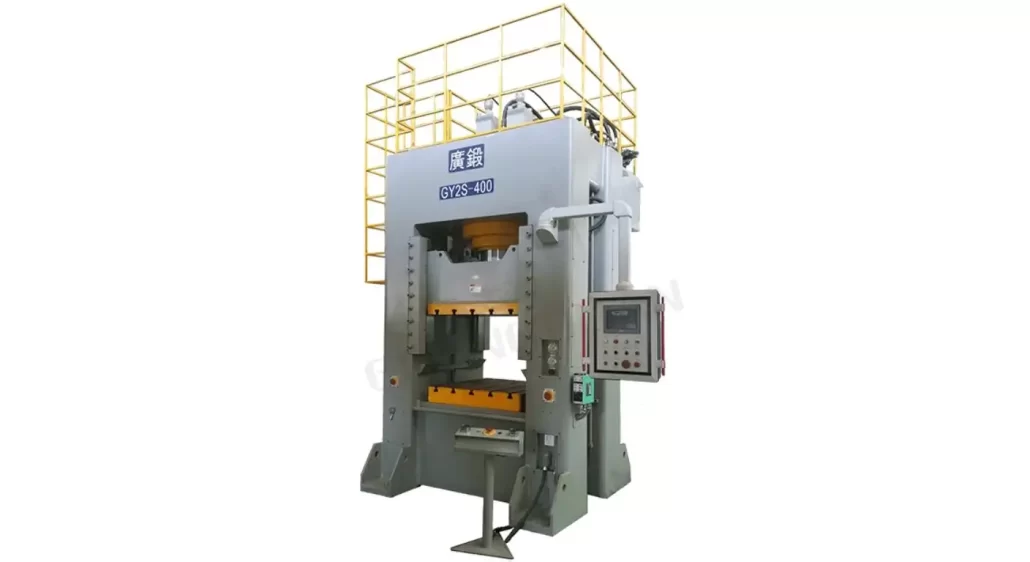
NPC underpin its understanding of the North African Production Context.
The North Africa equipment market is not a single homogeneous market. Morocco possesses an important automotive and export-manufacturing industry. Egypt is a mix of automotive, appliance, electrical and general engineering manufacturing, with Algeria and Tunisia focusing on metal fabrication and construction products and component manufacturing.
It is important to remember that a supplier who is good for a small sheet metal shop may not be able to develop an automated press line for automotive stampings. Purchase users should initially decide whether blanking, bending, deep drawing, hot forming, or cold forging or progressive-die production is involved in the project.
The manufacturer should then make a recommendation for equipment based on the process and not simply sell a standard piece of equipment without an application review.
Pair Up the Press Type with the Part
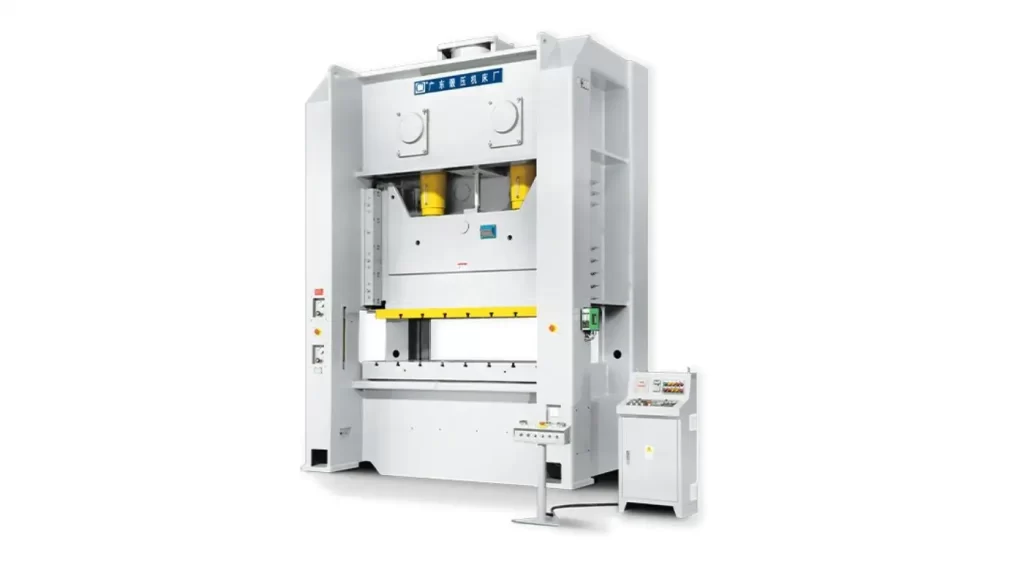
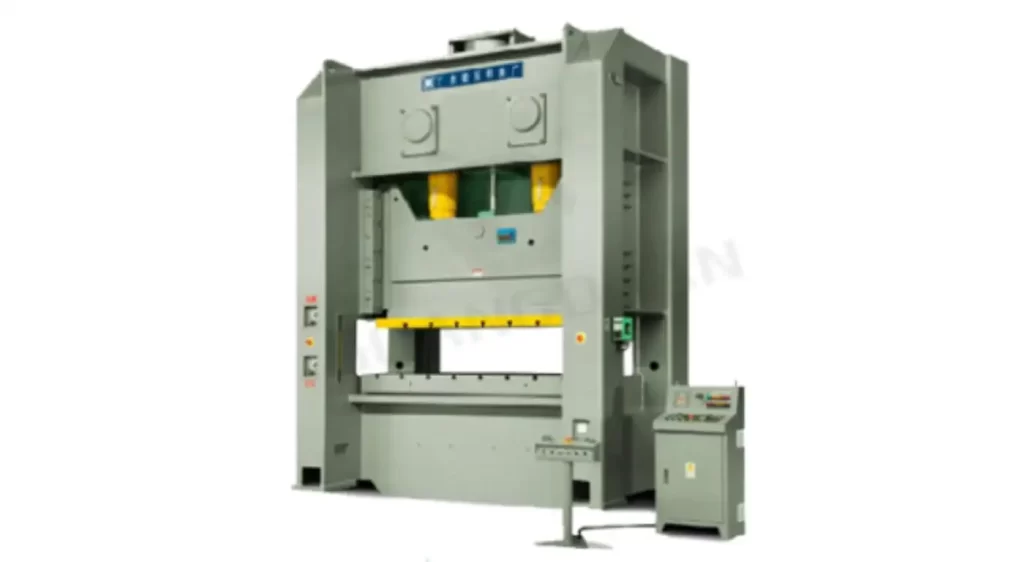
For high volume blanking, punching and stamping, mechanical presses are often taken into consideration. They offer quick slide action repeated many times but the amount of force available varies with crank position. Different mechanical press configurations, open-back, straight-side and multi-point are available for buyers to review.
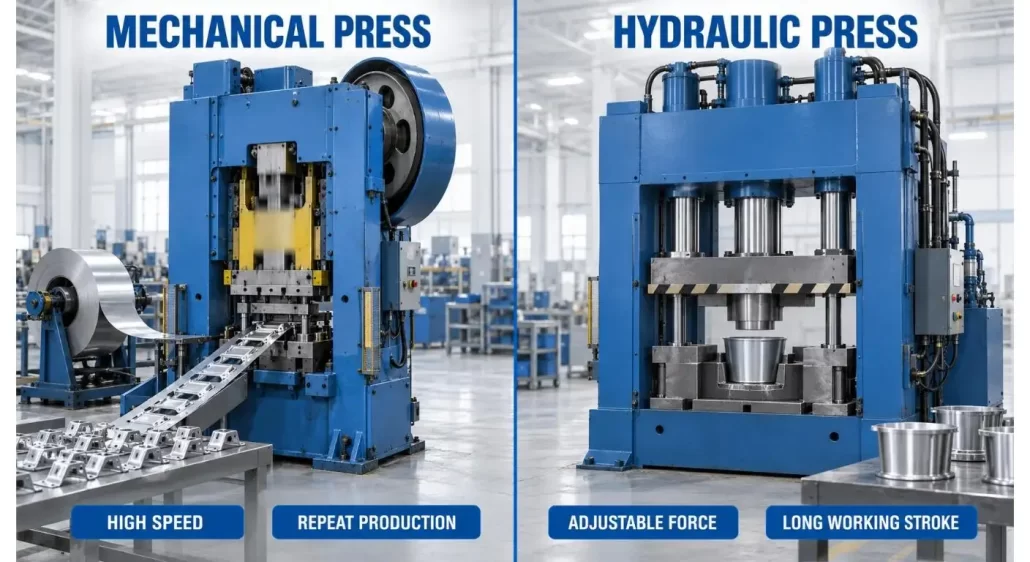
Hydraulic presses can have variable force and variable speed over an extended stroke. This flexibility might be appropriate for deep drawing, forming, straightening, molding or low volume manufacturing of varying parts. The hydraulic press series from Guangduan includes two types: four-column press and straight side press, suitable for different industrial applications.
Energy, forming load, die space and operating temperature are the key factors that must be re-evaluated for forging presses. Before sizing the machine, the manufacturer should know about the type of the project: hot, warm or cold forging.
Assess the Manufacturing Engineering Capability
A reputable press company should be able to look over drawings for parts, properties of materials, dimensions of the tools, load requirements, and production targets. For an important job, a nominal tonnage quotation isn’t satisfactory.
Inquire about the manufacturer’s process for determining frame and bolster deflection, slide parallelism testing, and how they determine the number of drive points. If the size of the tool to be offset is large, ask for the permissible value of the eccentric load.
The supplier should also provide information on the selection and incorporation of purchased parts. All motors, PLCs, valves, bearings, seals and safety devices are to be identified by manufacturer and replacement reference.
| Qualification Area | Evidence to Request | Warning Sign |
| Machine design | Load and deflection calculations | Tonnage-only recommendation |
| Manufacturing | Factory and assembly photographs | No production evidence |
| Components | Brand and model list | Unidentified components |
| Quality control | Inspection and test records | Verbal claims only |
| Export experience | Packing and project references | Unclear delivery scope |
| Technical support | Written service procedure | No defined response channel |
Verify compatibility of installation site
Give the voltage, frequency, phase, control voltage and allowable power fluctuation of the factory before the machine design is finalized. The following conditions may differ from country to country and from one industrial area to another: Electrical standard and supplies.
Ambient temperature, humidity and dust/coastal exposure should also be recorded. Oil cooling and oil filtration might be needed to hydraulic systems and electrical cabinets might be cooled by air conditioning or sealed properly.
Manufacturer’s confirmation of compressed-air requirements, cooling-water demand, and installed power and expected energy consumption. An incompatible requirement for a utilities installation which was discovered after delivery can slow the installation process and result in an unexpected expense.
Read through Language and Technical Documentation.
When the machine is going to be installed and maintained at a location that is far from the manufacturer, clear documents are important. An operating manual, electrical diagram, hydraulic or pneumatic diagram, foundation drawing and preventive-maintenance schedule should be requested by the buyer.
International Projects usually require a minimum of English documentation. Depending on country of installation and operator team, French or Arabic translations of operating and safety information may also be required.
Specify language requirement in purchase contract. Machine labels, HMI screens, alarm messages and safety information should be in the agreed language plan.
Evaluate the Complete Production Solution in relation to others.
The press is just one component of the production cell. An uncoiler and straightener, feeder, robot, finished part conveyor and die cushion may also be part of a complete project.
The buyer should determine which company will have responsibility for integration of these systems. When the suppliers are different, the mechanical and electrical interfaces between the press, tooling and automation should be specified before the manufacturing process.
Guangduan’s metal-forming application solutions show how presses can be combined with servo feeding, transfer equipment and production monitoring. It is important that such integration is made based on the desired output and not just as a mere addition without apparent value for the user.
Examine Manufacturing and Project Evidence
A supplier’s work product catalog features what they offer, completed projects are a better indication of what they’ve delivered. Make sure to review machines of similar tonnage, automation and component requirements.
Request manufacturing photos, test records and videos of the machine under load. When considering purchase, a supplier’s list of press machine project cases can be used to determine experience of the supplier with large presses and production lines.
References still need to be carefully checked. Verify with the supplier if he/she designed and produced the complete machine or just individual components.
Determine transportation plans for North Africa.
Heavy press machines can be transported by flat racks, open top containers or break bulk shipping as well as standard containers. The right way depends on the size of the machine, the weight and disassembly allowed.
Packing dimensions, gross weight, lifting points, center of gravity should be mentioned in the quotation. These details enable the importer to gauge the port handling, crane capacity and transportation within the country prior to the departure of the shipment.
Other points the buyer should also consider are road access, factory doors, overhead clearance and floor-loading restrictions. Once a machine arrives at a port of destination and is unable to enter the workshop, it becomes a costly logistics issue.
| Project Item | Buyer Must Provide | Supplier Must Confirm |
| Electrical supply | Voltage, phase and frequency | Compatible motor and controls |
| Factory environment | Temperature, dust and humidity | Cooling and enclosure design |
| Transport access | Door, road and crane limits | Packing dimensions and weight |
| Documentation | Required language | Manual and drawing package |
| Installation | Local labor and equipment | Technician and commissioning scope |
| Acceptance | Required performance values | FAT and SAT procedures |
Write a concise definition for Installation and After-Sales Responsibility
The scope of installation should be included in the contract. Identify those who will set up the machine, install utilities, even the machine, test safety features and run production trials.
If the manufacturer will dispatch technicians, explain the visa support, travel costs, accommodation and daily fees and the estimated installation period. While remote guidance is helpful, it can’t necessarily take the place of on-site commissioning for a large automated line.
Ask for a recommended package of spares and be aware of long lead components. The buyer should be familiar with the method used for requesting technical support, the language that is available and the typical time frame for remote technical support to commence.
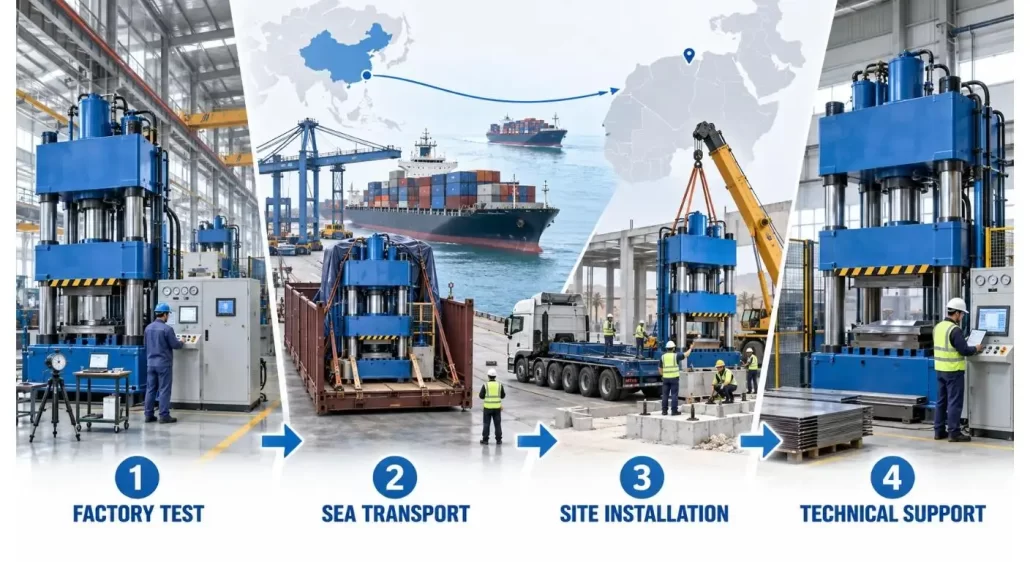
To carry out Factory and Site Acceptance Tests
More than testing the motor to start should be done during factory acceptance testing. Check movement, rated load, safety controls, lubrication, control functions, alarms and repeated operations for test slides.
Whenever possible, employ the buyer’s die or test tool. Document force, position, parallelism, cycle time and temperature related results against agreed acceptance limits.
Site acceptance testing should check things that are important again after installation. It should also check utilities, guarding and automation interfaces and operator training and performance with production materials.
Conclusion
When choosing a press machine manufacturer in North Africa, it’s not just about the price; it’s about the process. The manufacturer has to provide adequate machine engineering, site feasibility, full documentation and realistic service arrangements.
A standard RFQ together with project evidence that can be measured and project acceptance criteria, enables buyers to fairly compare suppliers and minimize the risks of international equipment procurement.
FAQs
Q1. What is the most suitable press in North Africa factories?
It will vary depending on the part and quantity produced. Mechanical presses are suitable for many repetitive stamping operations, while hydraulic presses are used for deep drawing and flexible forming.
Q2. Are there technical documents that need to be kept in French?
French documentation can play a role in Morocco, Algeria and Tunisia. The language required should be that of the maintenance team and stated in the purchase contract.
Q3. What are some things that should be evaluated before bringing a press into the business?
Check electrical power, machine size, foundation, delivery and customs papers and installation. These items have an impact on project timing and cost.
Q4. What are some ways that buyers can check the experience of a manufacturer?
Check out similar projects, factory test videos, inspection records and customer references. Check that the supplier manufactured the main press, and did not just trade the equipment.
Q5. Will remote installation support be enough?
It can be enough for a simple machine, where there is a tried and tested local team. Typically, production testing and onsite installation is performed on large presses and automated lines.
CONTACT US


Guangdong Metal Forming Machine Works Co., Ltd.
We are always providing our customers with reliable products and considerate services.
If you would like to keep touch with us directly, please go to contact us
-

Home
-

Tel
-

Email
-

Contact