
Cold Forging Machine Automotive: How To Handle More Part Types Efficiently
Cold Forging Machine Automotive projects are becoming more complex as suppliers handle more part variants, tighter lead times, higher quality demands, and stronger pressure for safer, more automated production. That shift is changing how buyers evaluate equipment. They are no longer focused on force alone. They also want fast die adjustment, reliable guidance, safer operation, and smoother integration with feeding and leveling systems. In automotive manufacturing, where efficiency, lightweighting, and part consistency matter, a press that cannot support mixed production can quickly limit output and flexibility.
Why Mixed Automotive Production Creates New Pressure on Forging Equipment
In many plants, the real challenge starts when production changes from simple volume to volume plus variety. Automotive suppliers may be producing different stamped or pressure-set metal parts across multiple programs, sometimes with tighter scheduling gaps between jobs. Under those conditions, equipment must do more than run. It must switch efficiently, hold alignment, and reduce the risk of variation after setup changes.
This is one reason flexible and modular manufacturing is receiving more attention in the automotive industry. A 2026 automotive manufacturing outlook survey reported that companies are responding to cost pressure by increasing investment in automation and robotics, while also shifting toward more flexible and modular production processes. That is highly relevant for cold forging equipment buyers, because a press that supports changeover discipline and automation readiness fits this direction much better than a machine designed only for static, repetitive work.
A Better Theme for Buyers: Changeover Efficiency With Production Control
For overseas distributors, parts makers, and procurement managers, one of the most commercially useful ways to evaluate a press is this: Can it help a plant handle more part programs without creating more setup risk?
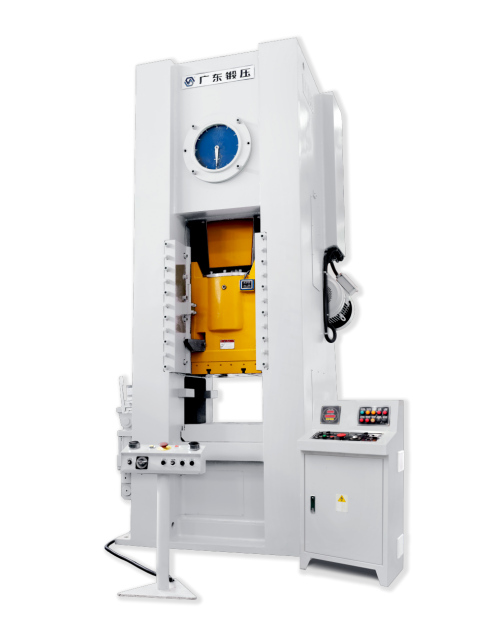
GUANGDUAN’s Closed Type Single Point Forge Press Machine JH31 Series fits that question well. Its narrow-table closed-type body uses a monolithic box-type structure, which supports high rigidity. In automotive metal forming, rigidity matters because it helps the machine maintain a more controlled forming condition when production is continuous and die loads remain demanding. A rigid structure supports not only machine life, but also the consistency buyers expect when comparing output across longer runs and multiple part batches.
The machine also uses a crankshaft-type eccentric shaft with strong bearing capacity and a wet-type clutch designed for long service life. For buyers, this combination matters because mixed production environments tend to expose weak motion systems faster. When a press must support both output and frequent operational discipline, durability becomes a productivity factor.
How GUANGDUAN Helps Plants Move Faster Between Jobs
One of the most useful features in this series is the mechanical die set height adjustment with digital display. In real production, this is more than a convenience item. It directly affects setup speed, operator confidence, and calibration consistency. Faster, clearer die-height adjustment can help reduce setup delay and improve repeatability when switching between different automotive part programs.
That value becomes even clearer in plants that want more standardized operation across teams and shifts. A machine that makes calibration easier can reduce avoidable setup variation and support more disciplined production management.
GUANGDUAN also equips the machine with a PLC and pneumatic control mode, along with three stroke specifications:
• Continuous stroke
• Single stroke
• Micro-motion
This is important because flexible operation matters more when product mix increases. Instead of forcing the plant into one rigid working style, the machine gives operators and managers more control over how the press is used in different tasks and adjustment stages.
Why Slide Guidance Still Matters in Flexible Production
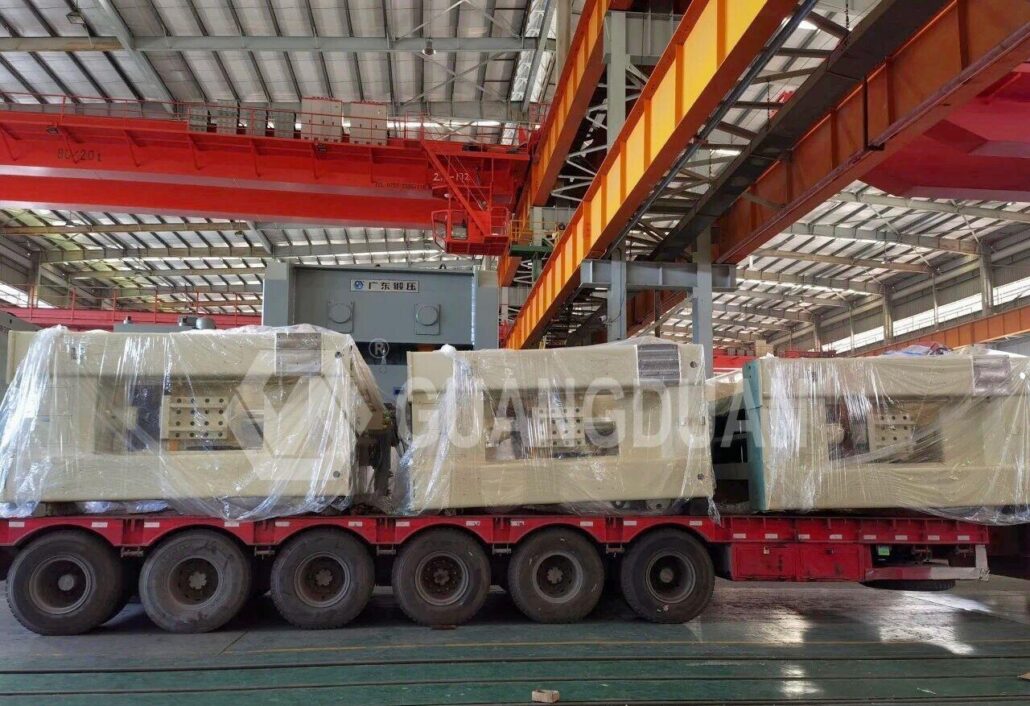
When buyers hear “flexibility,” they often think first about automation or changeover. But in forging, flexibility without guidance precision creates its own problem. The JH31 series uses a four-surface full-guideway slide structure with high guiding precision and good holding precision. That feature is critical because setup efficiency only creates value when the machine can still maintain forming discipline after changeover.
This is particularly significant in the automotive sector, where variations in part consistency can create pressure on assembly, inspection, and customer satisfaction. Cold forging is widely valued for helping produce parts with strong dimensional consistency and mechanical performance, which is one reason automotive demand continues to support the cold forging equipment market.
So from a procurement standpoint, the logic is simple: a press should not only change faster. It should also return to stable production faster.
Automation Readiness Is Now a Core Buying Requirement
Another reason this theme works better for today’s market is that mixed production often pushes plants toward assisted or automated feeding. GUANGDUAN’s JH31 series can be equipped with photo-electric protection, as well as automatic feeding devices and uncoiling leveling devices, helping customers move toward automated production.
That aligns well with current manufacturing priorities. NIST has continued to emphasize that smart manufacturing depends on trusted technology adoption, standards, and best practices that help manufacturers apply new production systems with confidence. It also matches broader 2025 manufacturing signals pointing to AI, automation, and more resilient industrial operations as competitive priorities.
Safety also remains inseparable from automation. OSHA’s mechanical power press standard requires machine components and safeguarding measures that reduce personnel hazards and control risk around power press operation. For buyers evaluating automation-ready equipment, protection is not an accessory. It is part of whether the machine is truly fit for modern factory use.
Where This Positioning Helps GUANGDUAN Most
This machine is suitable for stamping and pressure-setting processes for various metal parts and is widely used in automobiles, motorcycles, daily hardware, instrumentation, and gas appliances. But for automotive-focused marketing, GUANGDUAN can position it more sharply around a buyer problem that is increasingly relevant:
How do suppliers run more part types, connect better with automation, and still protect consistency and uptime?
That positioning is stronger than simply saying the machine is rigid or compact. It connects directly with what overseas buyers are actually comparing today:
• Guidance precision
• Automation compatibility
• Operator safety
• Long-run production control
Final Takeaway
The better theme for today’s market is not “more force.” It is more usable production flexibility. A strong Cold Forging Machine Automotive solution should help suppliers handle a broader mix of automotive parts without creating more calibration trouble, more safety risk, or more inconsistency after each setup change.
That is where GUANGDUAN’s JH31 series has a clear story to tell: high-rigidity structure, precise full-guideway slide support, digital die-height adjustment, PLC-based control, overload protection on selected models, and optional automation-support equipment. For overseas buyers facing fragmented orders, tighter margins, and rising expectations around automation, that is a much more persuasive value proposition than tonnage alone.
CONTACT US


Guangdong Metal Forming Machine Works Co., Ltd.
We are always providing our customers with reliable products and considerate services.
If you would like to keep touch with us directly, please go to contact us
-

Home
-

Tel
-

Email
-

Contact