
Cold Forging Process Machine: Match Each Forming Stage to the Press
At the end of the cold forming process, a part can end up reasonably close to the desired shape, or it can be far from it, depending upon what happened well before the press stroke. The billet condition, the sequence of deformation, the lubrication and the part removal are all factors that affect the ability to run the process consistently.
The selection of a cold forging process machine can therefore not just be based on a capacity comparison. The practical goal is to relate each of the forming stages to an appropriate press, tooling and repeatable material condition. Always first think about how the metal needs to move, and then work out the equipment needed.
Work with Material Flow Instead of the Final Object
Cold Forging involves the forming of metal at a temperature below the metal’s recrystallisation temperature, usually near room temperature. Heat can be created by plastic deformation and friction. The process should not be thought of as one in which the temperature of the work piece is maintained.
Check completed geometry with proposed starting billet. Be able to locate the area where material needs to spread, decrease in section or bend around a punch. The difference between upsetting and forward and backward extrusion is that the resulting deformation patterns are different, and that different tooling is required.
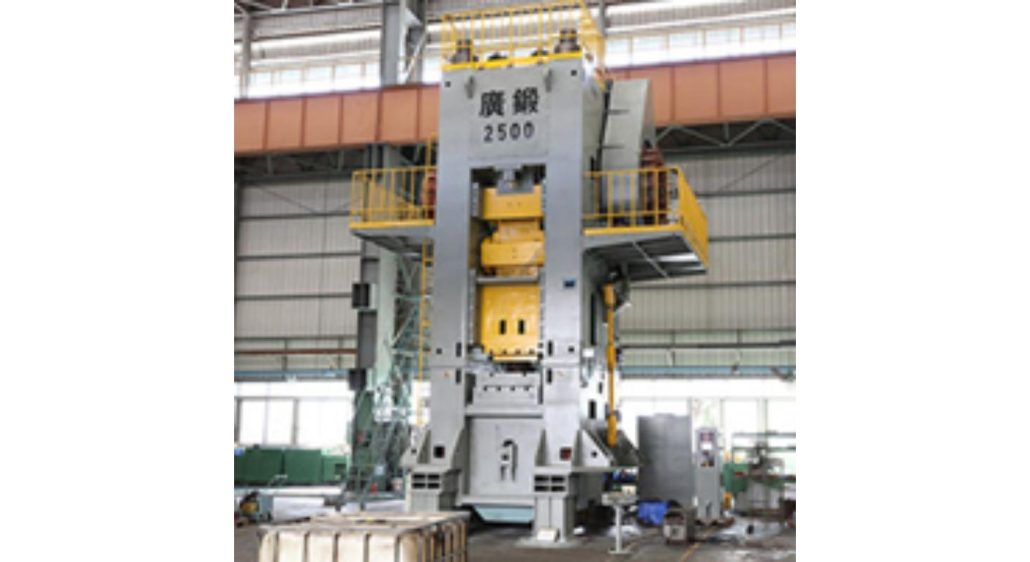
GUANGDUAN’s forge press equipment is designed for both cold and hot forming. When cold-forging is being considered, specify the intended flow route of the materials instead of assuming that all forging presses are appropriate for all the operations.
Provide Controlled Starting Condition to Billet.
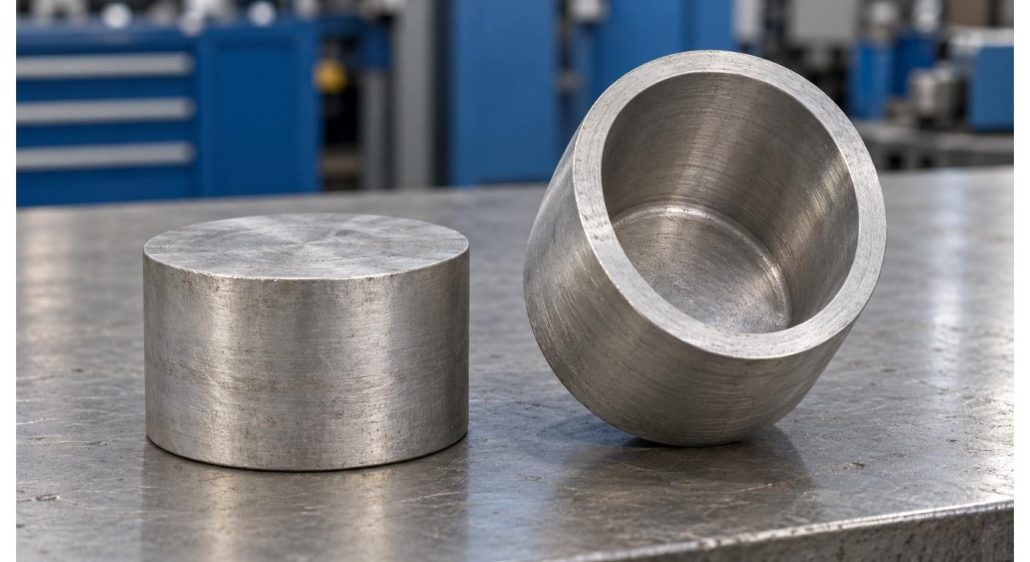
The same nominal alloy can exhibit different behavior as a result of a change in hardness, prior processing or surface condition. Determine the specification and delivery condition of the material with the stock supplier. Add applicable heat treatment prior to forming, when necessary.
Volume of billets is also important. Too much material could cause the load to be too heavy in the final stage, and too little material may result in incomplete features. Determine the required cut length, diameter, end condition and practical tolerances for proposed forming sequence.
Include cleaning, surface preparation and lubrication as part of that specification. The correct system is the one that is determined by the alloy, severity of the deformation and tooling conditions. Have the process specialist describe it to you and continue preparing the process in the same way in trials and production. Frequent incoming stock is an uncontrollable situation that cannot be compensated by a press adjustment.
Break down Deformation into manageable steps
Near net shape target does not imply that the component should be made in one stroke. A preform can be used to redistribute material prior to a more challenging extrusion or finishing process to lower the challenge of filling a difficult feature.
Check for the severity of the deformation, work hardening and loading of the tools for the entire sequence. There are some routes that need intermediate treatment or retreatment of the surface. These decisions should be made in the process plan, prior to the press selection being finalised.
Also specify the way in which the parts are transferred between stages. The output and output handling need varies due to the fact that each press is distinctly separate and multiple operations need to be performed. Until the machine configuration and machine capability are determined, a vertical forging press cannot be called a multi-station cold header.
Match Press Motion to Actual working travel.
The cold forming process can be very forceful, but, it is not just about the force. Identify loading point, loading development during deformation and required working travel until final shape is reached.
GK Knuckle Joint Press is a kind of crank and toggle press and one of its applications is extrusion, which is listed on GUANGDUAN’s page. It’s movement in the slide is not the same as a normal crank setup, near bottom dead centre.
Discuss the proposed operation versus the allowable force curve, working motion and available energy with the supplier. Slower movement around bottom of the stroke does not, in itself, constitute suitability. The entire deformation process needs to be within the machine’s production limits (approved operating range) at the planned production rate.
Design the Tool Assembly to Both Load and Release
The die must hold the forming load, and keep the alignment necessary for the piece. In addition to the press frame and slide guidance, punch guidance, die support and the entire tool stack should all be considered.
Refer to the die height, die adjustment range and die mounting interfaces against the model. Provide room for the work and movement of tools necessary for punching release. It is not just about physical fit, it’s also about approval of load path.
Part removal should be designed prior to the manufacture of the die. Cold-formed parts can retain the punch or die following the deformation. Check ejector force, travel and timing; determine if upper stripping is necessary. Ejection is lower and there is an optional slide knock out option, which must be verified for the configuration quoted.
Do not mix Machine Lubrication with Process Lubrication.
The press lubrication system ensures protection for the machine’s bearing, guides, etc. The function of the workpiece lubrication is different at the billet-tooling interface. There is no replacement of the one system by the other.
Monitor and record factors that may vary throughout a run. The influence of lubricant coverage, tool surface condition and accumulated residue on friction, forming load and release. Check these aspects when parts start to show signs of pick up or unanticipated surface damage.
Use GUANGDUAN manufacturing and inspection resources, discuss the machine verification, and tooling and process check separately. The precision machine is just one of the components of a stable cold-forging process. As production continues, the material preparation and die condition need to be kept under control.
Identify repeated patterns in the Sequence
Construct a trial based upon representative billets, preparation method and production-intent tooling that has been approved. Note down the set up for every stage, to let the supplier and the buyer differentiate between the machine’s behavior and change of materials or tooling.
Know that there is more to check than the actual end product. Measure dimensions, surface and where applicable, internal integrity of the component, as required by the component. If forming simulation is used for development, do agreed trials to verify results of simulation rather than using model as “final acceptance”.
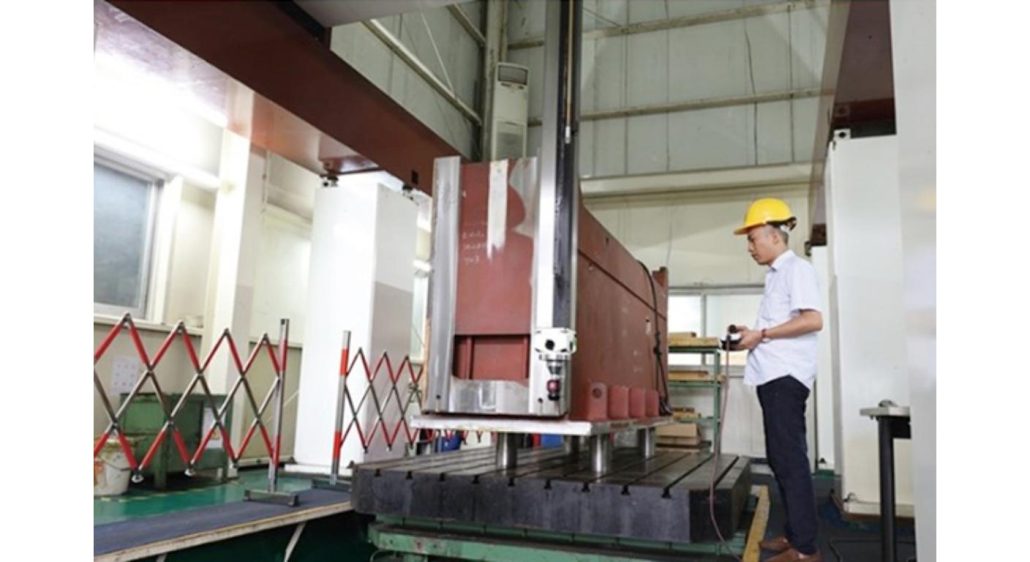
Review repeat production once production processes are stabilized. Accepted output to include transfer, lubrication and ejection. Submit drawings and proposed cold forging route to GUANGDUAN for a machine assessment based upon the actual sequence and acceptance requirements.
| Sample to retain | Identification to record | Later comparison |
| Prepared billet | Material batch and preparation route | Incoming-condition changes |
| Intermediate preform | Stage number and tooling revision | Where variation first appears |
| Final trial component | Machine setup and trial time | Repeatability across the run |
| Approved reference part | Inspection report and approval date | Future setup verification |
Conclusion
An appropriate cold forging process machine provides a set procedure for billet preparation to inspected component. Control of incoming material, sensible distribution of deformation, check of press motion, tooling support and ejection as a whole. Through repeated trials, evidence can be gathered to help convert a sample to a viable production process.
FAQs
Q1. Is there no part of the forging process in which the metal is warm?
No. Heat is produced due to the process of deformation and friction. Below the material’s recrystallisation temperature, it is said to be “cold.”
Q2. Is it possible to cold forge all the parts in a single operation?
No. The route is decided by geometry, severity of material condition and deformation. There are multiple stages or intermediate treatments required for some components.
Q3. Is GK knuckle joint press a multi-station cold header?
No. They describe various setups of apparatus. Do not compare their capabilities unless you are sure about the actual forming and transfer configuration.
Q4. Does the press lubrication system provide lubrication to the billet?
No. Machine lubrication is different from the lubrication of the work piece. Each has a set of requirements, which are clearly stated.
Q5. What information should you include with a cold forging enquiry?
Include part drawings, material and billet size. Add the suggested sequence, tooling information and production target.
CONTACT US


Guangdong Metal Forming Machine Works Co., Ltd.
We are always providing our customers with reliable products and considerate services.
If you would like to keep touch with us directly, please go to contact us
-

Home
-

Tel
-

Email
-

Contact