
Tunisia Forging Machine Dealers: Assess the Supplier Behind the Quotation
Having a local sales contact will make a forging equipment project easier to manage but proximity doesn’t necessarily create technical capability. The company offering the quotation does not necessarily have the ability to manufacture the press, approve the forming process or do commissioning.
In examining Tunisia forging machine vendors, discover who is behind each pledge. A good dealer will help you relate to a trustworthy technical choice and well-defined support. It is the job of the purchasing to ensure that is the case before production schedules, installation plans and payment commitments are based on it.
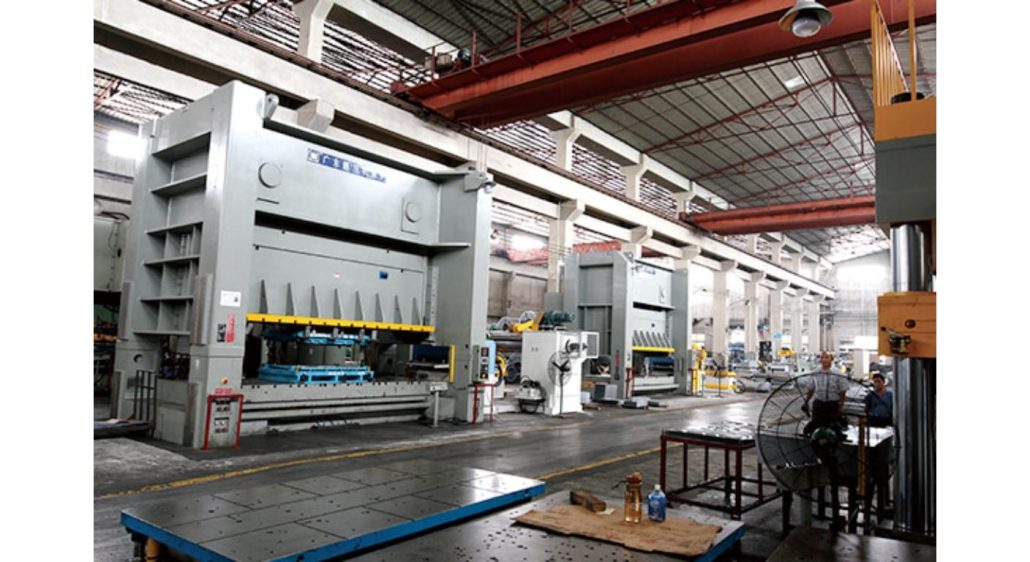
Determine the Who the Dealer Represents.
Start with a description of the machine manufacturer and company providing the machine. Inquire the seller if he or she is an authorised dealer or an independent reseller or a project intermediary. All these agreements may include equipment sales, and they have varying types of responsibilities.
If authorisation is sought, ask for it, to include the product family and market in question. Check it with a contact who is acquired separately from the manufacturer’s site. Having a Logo on Quotation or a copied catalogue is not a good evidence.
GUANGDUAN has an official contact page where you can get a direct contact for confirmation of proposed sales and support agreement. Request that the manufacturer list the entities that are part of your project and what it will consider as commitments.
Evaluate Dealer’s Comprehension of Forming Task
A competent dealer should obtain sufficient information to provide a worthwhile engineering check. This includes part drawings, material condition, billet size, forming temp, tooling data and expected part output.
Pay attention to whether or not there is any discussion beyond tonnage. Working-travel/ejection requirements can vary with cold extrusion, finishing and other forming operations. Any suggestions that precede these details should be further technically analyzed.
Identify equipment families, using the manufacturer’s forge press product range. Inquire from the dealer about the reasons for the proposed platform to be right for the operation and which assumptions still need to be approved by the manufacturer. The importance is in a recommendations chain that can be traced, not in a description of the general capabilities of machines.
Use a Model-Specific Technical Proposal to require.
Product names can often hide significant variations. Single point forge press JH31 closed type forging press adopts the eccentric-shaft technology, and provides the capacity, rating position, stroke and tooling size of different models.
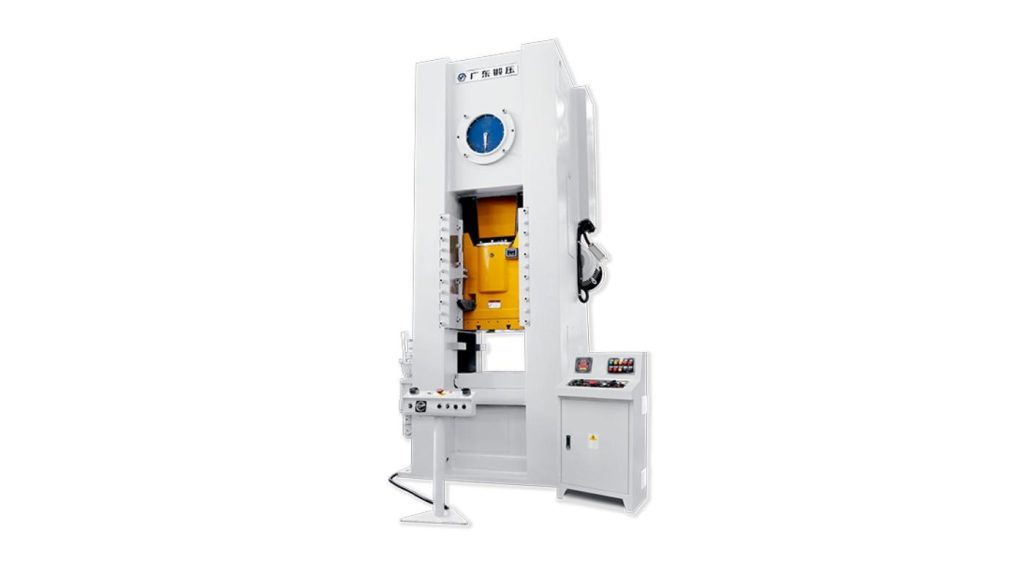
The GK knuckle joint press adopts the crank toggle mechanism, and mentions the application of extrusion. It is necessary to assess its functioning and ejection systems. The two families should not be equated, just because they are both featured in a forging catalogue.
Ask for a proposal for specific model, configuration and operating assumptions. Check with the manufacturer for the following: Intended process, Maximum loading and Tooling compatibility. If the public specification is ambiguous, refer to an approved technical schedule for purchases, don’t ask the dealer to clarify and interpret confusing figures.
Remove Sales Coordination from Engineering Approval.
A dealer can be a good facilitator for a discussion without the authority to approve a tooling change or to change machine limits. Develop a relationship between the engineers’ questions and the manufacturer’s responses and how these responses flow into the agreed project.
Determine the final layout, electrical configuration, automation interfaces and acceptance requirements approval. It is important to have a revision reference when making changes, to ensure that the same information is used by buyer, dealer and factory.
GUANGDUAN’s company profile presents the equipment manufacturing and engineering resources. When applying for any given purchase, inquire who is going to be reviewing your application and who will be granting you the approved documentation. Named responsibilities for project – company capability is useful background.
Investigate What Local Service Really Means
“Local support” is a broad term that refers to varied support such as telephone coordination or a technician visiting the factory. Inquire about what the dealer can do and what will need the manufacturer to do. Identify routine maintenance support tasks from specialist mechanical, electrical or control-system tasks.
Ask for information about appropriate training and machine documentation. If a breakdown occurs, the service provider should be able to understand the equipment and relay fault information—at least not have to completely rely on photographs that are shared afterwards.
If you’re a Tunisian factory, be sure to indicate the language of your documentation and training. Include French language materials if required and verify availability of French language materials and/or interpretation services. Write out procedures and guidelines for remote assistance, travel and on-site work if necessary.
Convert Spare-Parts Promises into Items that can be Identified
Without a parts list, it’s hard to assess the statement “spare parts are available.” Inquire about recommended consumables and critical parts for the machine being suggested, giving a response that will allow the correct parts to be ordered.
Differentiate between stock owned by the dealer and stock supplied by the manufacturer. Verify all local inventories, as to location and availability. Don’t assume that having a local subsidiary means that the model specific parts are kept in Tunisia.
Discuss what will be done in terms of component changes throughout the life of the machine. When replacing equipment, electrical, software and mechanical interfaces might be important. Maintain the same configuration and documentation provided during the delivery to future support to support a specific machine as opposed to a generic model.
Explain what is meant by the Handover from Factory to Operating Site
Establish agreement about responsibilities before shipping. Identify the person(s) who are to approve testing at the factory, to release the machine for transport, to arrange the delivery and to check the site is ready. There should be an owner for each milestone.
Planning for installation to include access to receiving factory, lifting, foundation and utilities. Ensure there is a communicative person to provide information and another person to verify that the site is ready. Not everything that a dealer does is necessarily considered an installation activity.
Decouple the factory acceptance and commissioning at the destination. Identify what will be proven in each phase and how exemplary results will be wrapped up. This prevents a time lag between manufacturer’s delivery and their customer’s ability to operate a successful production line.
| Issue raised | Initial coordinator | Required technical input |
| Process suitability question | Dealer’s project contact | Manufacturer’s application engineer |
| Drawing or configuration discrepancy | Project coordinator | Issuer of the approved document |
| Installation readiness concern | Site installation coordinator | Manufacturer’s installation instructions |
| Unresolved operating fault | Agreed service contact | Appropriate manufacturer specialist |
Ensure Dealers are compared based on Evidence of Follow-Through
The best references are those that are similar to the project proposed. Inquire about equipment family, scope/supplies, support activities performed. Commercial experience demonstrated on a different machine can demonstrate competence for your application.
If there is space for discussions on reference, then concentrate on the management of technical issues and handover. Inquire if documentation did or did not come through, responsibilities were clearly documented, and unresolved issues were dealt with in a practical way.
Complete the comparison in the areas of verified authority, technical coordination and deliverable support. If the machine needs clarification, adjustment or specialist attention, the buyer will know who will act as a result of the competitive quotation.
Conclusion
When you select the Tunisia forging machine dealers, you need to check for the organisation that is offering you that. Establish manufacturer relationships and have a clear service responsibility through a technical proposal for the model. The best channel is the one that maintains a technical decision as well as practical support throughout the project.
FAQs
Q1. Does a dealer’s logo mean that the dealership is authorised?
No. Ask for an up-to-date confirmation about the equipment and the market. Check it with the manufacturer.
Q2. Does the buyer want to take a look at an independent reseller?
Yes, if it has well-defined functions and responsibilities. Check the manufacturers support and warranty terms.
Q3. Is JH31 = GK press?
No. The way they function and work is different. Selection involves studying of the required forming operation.
Q4. Is Commissioning part of local sales support?
Not automatically. Establish the agreed scope of supply, the work and associated responsibilities and personnel.
Q5. What should be checked on the spare parts by the buyers?
Verify components identification, source of supply and physical source of stock. Make sure that availability has been confirmed, not that it is “don’t worry, it will be available”.
CONTACT US


Guangdong Metal Forming Machine Works Co., Ltd.
We are always providing our customers with reliable products and considerate services.
If you would like to keep touch with us directly, please go to contact us
-

Home
-

Tel
-

Email
-

Contact