
Crankshaft Press for Metalworking: Build Consistency into Stamping
Several coordinated operations may be necessary to give a metal bracket a simple appearance. It outline must be cut, holes placed and bends made without causing issues for the subsequent stage. Selecting equipment for the finished drawing can be misleading and not consider how those operations will load the press.
The best metalworking crankshaft press assessment is as part of a stamping process. The real challenge for manufacturers making sheet-metal products is to coordinate the press, die, and material handling operations in order to ensure acceptable parts are made beyond the initial good sample.
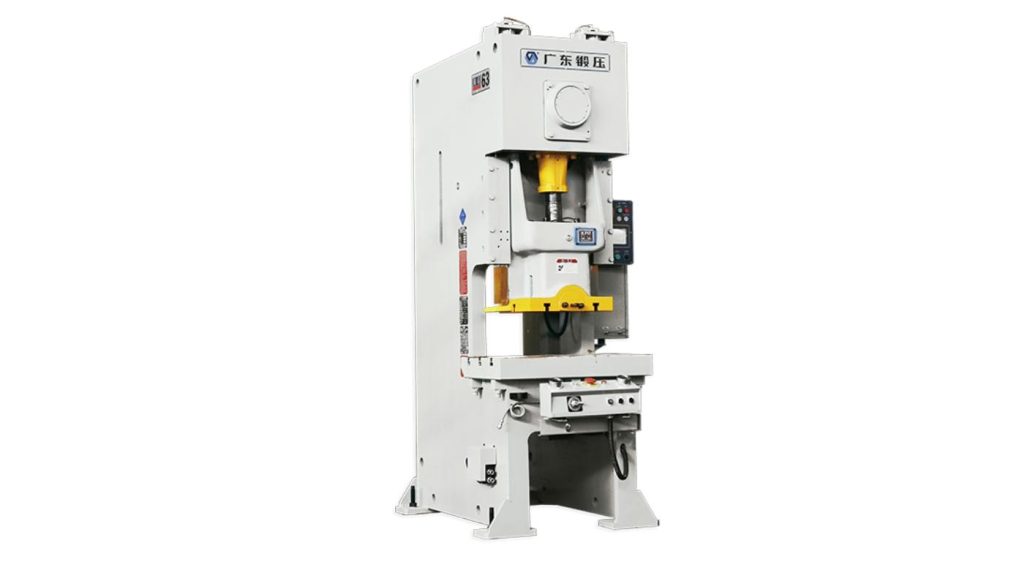
Describe the sequence of operations in the Part.
The first step is to convert the drawing into manufacturing steps. Identify blanking, piercing, bending or any other forming operation that is needed. Define the material grade, thickness range, dimensional requirements and any surface conditions that are important to assembly.
Discuss impact of sequence on component. If a hole is punched before bending, this could make tooling easier but the hole location may change as a result of the deformation. A flange can also be a hindrance to a subsequent punch. They should be sorted out prior to the selection of the press.
Determine if separate dies, compound or progressive are feasible paths. Selection affects the size of the tools, load distribution, material usage and handling. A realistic process layout provides the equipment supplier with something else besides a nominal capacity request.
Recognize the Crankshaft Drive Provides:
Traditional crankshaft presses use the motor and the transmission to spin the crankshaft and a connecting rod to change the rotational motion to reciprocating slide motion. The tooling is used to either cut or form during the proper portion of that motion.
GUANGDUAN’s JH21 mechanical power press is a transmission that can be used for stamping applications, and can be paired with corresponding tooling. It specifies capacity, rating point, stroke, die height and throat depth in its publication.
These values are to be read in conjunction with each other. The nominal capacity is for the rating position and not for the stroke. When operations are conducted requiring considerable force, this needs to be given special consideration at an earlier point in the travel. Request supplier to verify the load profile and energy requirement at the proposed production velocity.
Select Support Around Die Footprint
For small tooling and appropriate sheet metal work an open-back machine can be a practical solution, if it is accessible. But what matters is whether or not proper support is provided to the die and whether or not the forming load is within the loading conditions of the machine.
With a wider die things change. A number of punches or forming stations can be used at different locations, which results in a varying load centre. Not only should the width of the table be considered, the slide support and the permissible eccentric loading as well.
The double crankshafts are arranged opposite each other in GUANGDUAN’s JH25 open back double point press. This gives good configuration to evaluate for larger tooling. It does not replace the necessity for any actual die layout and load distribution validation.
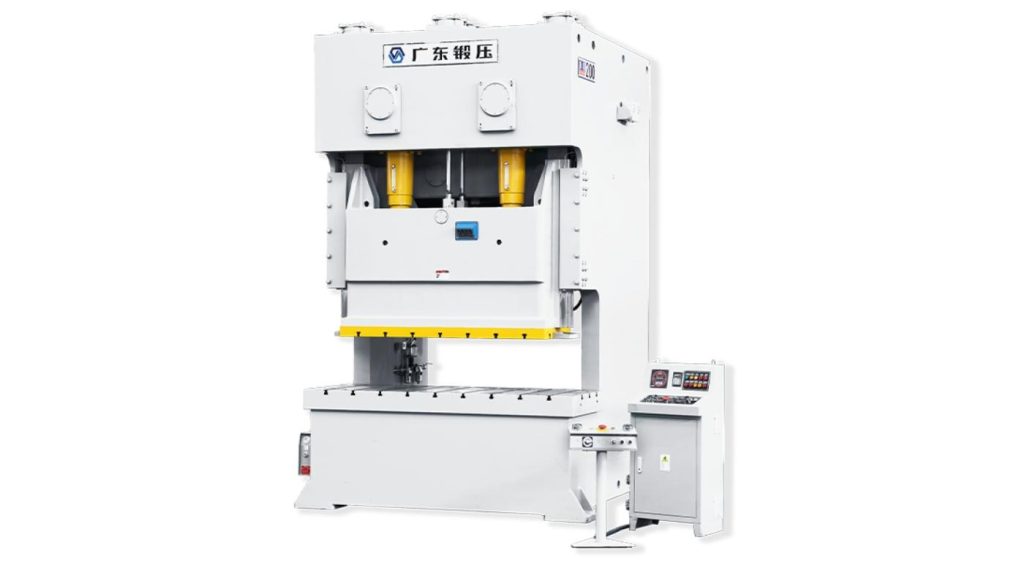
Specifies whether the installation of the Die is repeatable.
Inspect all tools and tool assembly that have been installed such as die shoes, backing plates, clamps and any necessary cushion set-up. Verify manufacturer’s definition of the die-height and the adjustment and clearance of the slide when it is raised.
Notice the position and the location of the die. Support surfaces are cleaned and good clamping positions and accessible fasteners contribute to establishing a repeatable setup. An unsuitable machine selection can be compromised by an unsupported overhang or by an improvised mounting.
Document the final, approved installation configuration after trials. The next operator should be able to find the identification of the die and get the reference and set up dimensions. Repeatability is based on the ability to return a proven condition of the machine, not on continually adjusting the machine until a sample is acceptable.
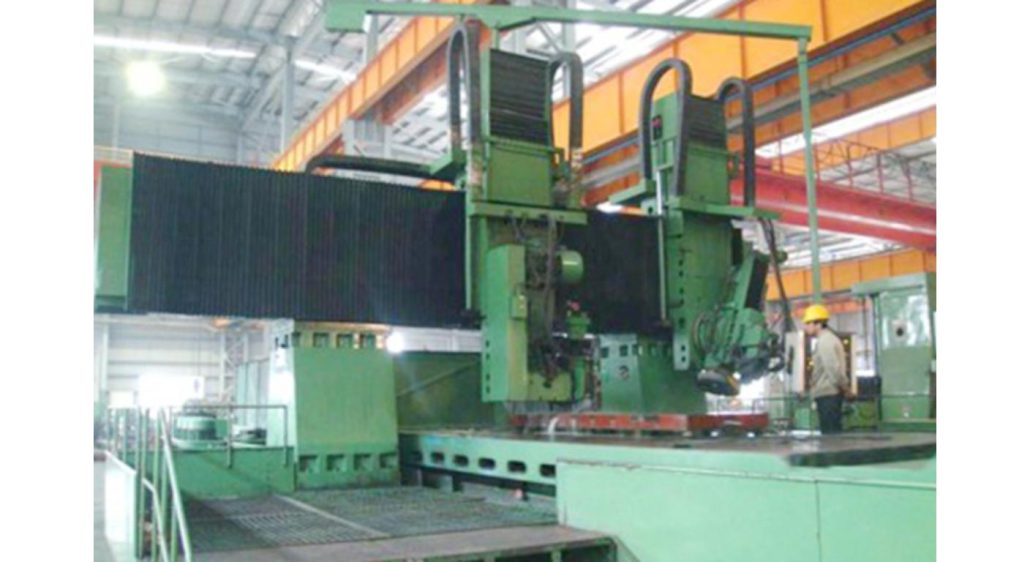
Design together a feeding and a scrap removal.
It is important to note that the press repeats the die motion, and not the accuracy of material placement. With strip fed tooling, the feed system, pilots and press timing must co-ordinate. This balance can be disturbed by changes in condition of the strips or feeding resistance.
GUANGDUAN is an automatic feeding compatibility mechanical press page. Discuss this as an integration issue: make sure the planned feeding is confirmed, the straightening requirements are discussed, and the control interfaces and response to a detected misfeed are addressed.
The same should be done for the scrap. Clearly defined discharge pathways should be provided for slugs and the cut edges and remaining strip skeleton. When the press and feeder are functioning properly, it is possible for accumulated scrap to interfere with the tooling/handling. Discuss removal plans for proposed production rate including access for routine removal.
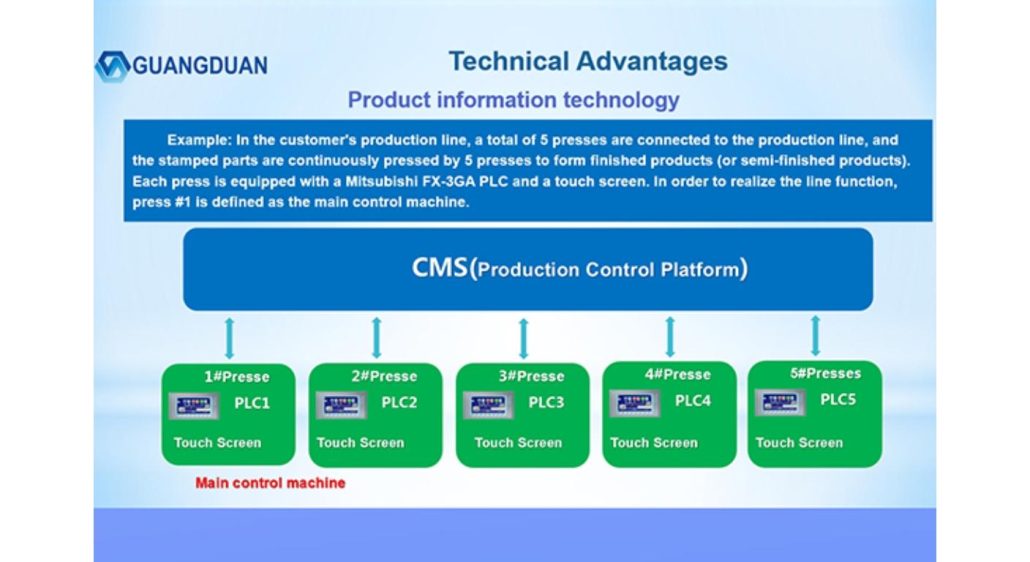
Differentiate between Machine Precision and Part Variation.
A press will not make up for all variations. The result may be affected by the thickness of the material, the mechanical properties of the material, the wear of the punch, the die clearance and lubrication. In the case of the springback problem, bending is a process response, and the problem cannot be addressed by an assumption of increased capacity.

Check the feature that is important for the next process or final product. A bracket can be more useful than the flat blank alone in providing information on hole position after forming. Burr formation can be beneficial as a means of indicating the change in the tooling conditions for a pierced part.
Discuss machine verification, with reference to GUANGDUAN’s technical manufacturing information and inspection information. Maintain separate machine inspection result and finished-part acceptance criteria and design how both will be monitored during project.
| Sampling point | Record to retain | Comparison purpose |
| After setup approval | Reference part and setup record | Establish the starting condition |
| After a material change | Material identification and sample | Trace differences between stock batches |
| During continuous running | Time-marked sample set | Identify gradual variation |
| After a planned restart | Restart sample and adjustment notes | Assess recovery of the approved setup |
Complete the Process: Sustained Run
The single stroke is successful if it is shown that one part is made. Production approval requires proof of the process stability with material feeds, tooling running and normal handling.
Use representative stock and production-intent tooling, if available, on a trial basis. Document settings, speed and inspection results and interruptions. Test samples throughout the run, rather than just the first and last.
Compare accepted output against target including feeding, removal and any inspections as needed. The part and tooling requirements should be submitted to GUANGDUAN before the purchase, and the proposed machine and the scope of integration should be reviewed based on the job.
Conclusion
The selection of a crankshaft press to work with metal must begin with the sequence of operations and terminate in stable production. Be sure to match the load, die support, feeding and discharge arrangements before approving the machine. Capacity and speed alone should not be the basis for production – there has to be a documented trial and repeatable set up.
FAQs
Q1. Does a crankshaft press have no other use to make crankshafts?
No. According to the word, it is the mechanism that drives the driving force. With appropriate tooling, sheet metal cutting and forming operations can be accomplished with suitable machines.
Q2. Is punching/bending possible for one press?
Yes, where the machine and tooling is appropriate for both operations. Ensure that the loading, stroke and installation for each operation are reviewed individually.
Q3. Does a double-point press solve the problems of eccentric loading?
No. Load distribution still depends on the arrangement of the tools. Check the loading conditions that can be applied for the chosen machine.
Q4. Are all the presses equipped for automatic feeding?
Do not assume so. Check feeder, interfaces and equipment to be installed in the model specific quotation.
Q5. What does it take to keep after a successful trial?
Maintain approved settings, tooling reference and inspection records. They are used to aid at a later stage of production runs to restore the process.
CONTACT US


Guangdong Metal Forming Machine Works Co., Ltd.
We are always providing our customers with reliable products and considerate services.
If you would like to keep touch with us directly, please go to contact us
-

Home
-

Tel
-

Email
-

Contact