
Hydraulic Press for Car Repair: Match the Equipment to the Job
When people go looking for hydraulic press for car repair, they can obtain extremely diverse machines. An equipment might have to service a removable bearing or bushing, and an automotive manufacturer could have to form new metal parts from a press. They both rely on hydraulic power, with different types of tooling, controls and working arrangements.
The starting point that is useful is the actual task. Identify key elements that need to be moved; identify key elements that need to be supported; identify how the results will be evaluated. Next consider if a workshop press or industrial hydraulic system meets that need.
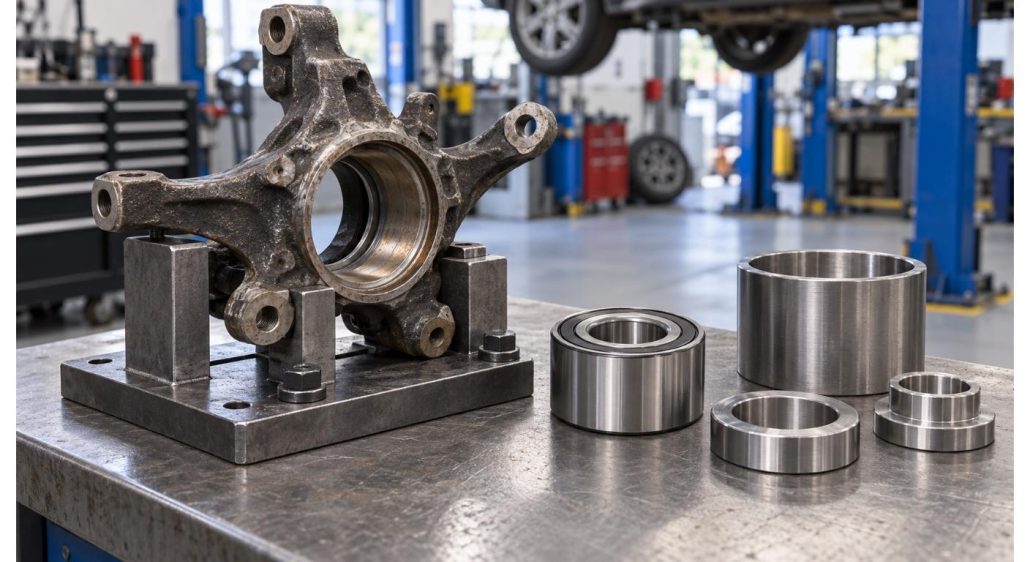
Don’t mix Repair Work with Component Manufacturing.
Repair pressing usually is related to an existing assembly and a specified service procedure. The goal might be to take out an old part or to replace a part without harming the rest of the housing. Other assemblies need specific tools and/or replacement as a unit.
Manufacturing is an other relationship between machine and tooling. A sheet metal blank is intentionally formed to a new shape, usually through the use of specific dies and a production process. Equipment chosen for this use does not necessarily meet the needs of a range of workshop repairs.
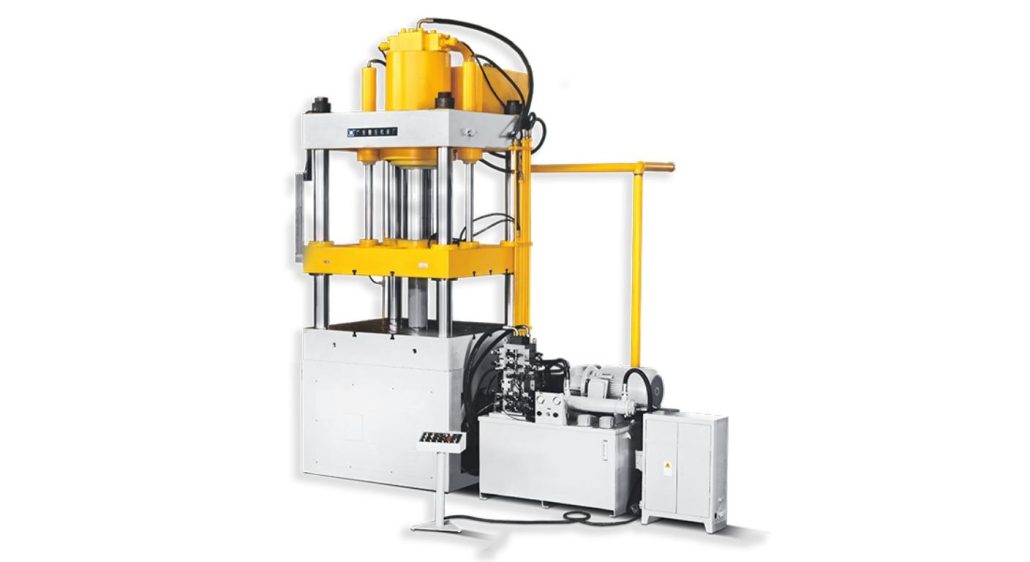
The main products of GUANGDUAN’s hydraulic press series are industrial hydraulic presses, such as four-column double-action hydraulic presses and gantry servo hydraulic presses. The buyers should differentiate those marked uses from a general automotive shop press and compare the models or ask for a quote.
Prior to selecting the capacity, define Service Procedure.
Start with the automobile or component manufacturer’s service data. Determine if pressing is allowed, the tools provided and inspection/replacement requirements. A generic press can’t replace a procedure which calls for a full assembly replacement.
Define the size of the component and the direction in which it is to be taken off or put in. Allow for clearance for the receiving tool and part during the part’s movement. Determine if any features, orientation or installation depth influences the operation.
Don’t make the decision on capacity based on the vehicle’s size. The force needed will be dependent upon the specific fit, the condition of the components and the approved method. Define the task and ask the equipment supplier to assess this; do not use available capacity as a target, but rather what should cause a stop.
Carefully assess the Support Arrangement like the Ram
Force is applied through a path when using a press: ram, adapter, component, fixture and table. All the elements must be appropriate for the operation. An unstable fixture or the adapter striking the wrong surface will not be made up for by a strong machine.
The problem is demonstrated with the installation of bearings. The applied force should be in direct line with the bearing manufacturer’s mounting instructions and pass through the correct ring(s). Installing by sending installation force to the bearing through rolling elements may damage the bearing even if it is installed in good appearance.
Evaluate the entire supported set-up prior to loading. If there is a need to move an assembly out of the way, purpose-made fixtures should be used to position the assembly and provide a clear path for the assembly to move. Avoid using inappropriate supporting objects and ensure that there is no personnel within any possible line of movement or ejection when operating.
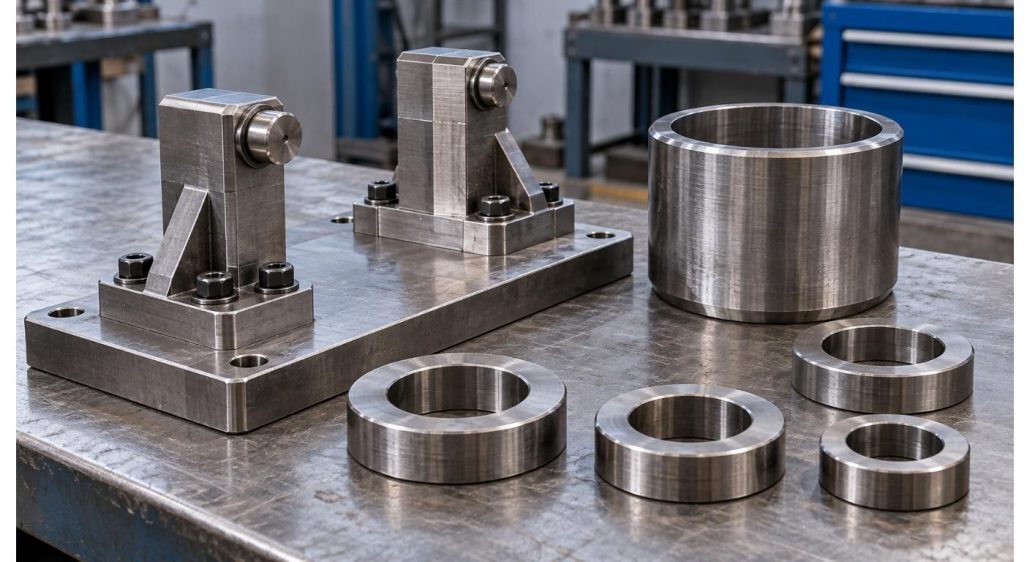
Find Useful Control at Working Point
But maximum force is just one aspect of usability. The operator should also have a good approach to the load, a controlled contact and a clear method for stopping and releasing the load. Evaluate these functions when the proposed tooling is in place.
If a gauge shows hydraulic pressure be sure to check how this pressure relates to the force of the ram. Pressure is not the same as pressing force, this depends on the effective cylinder area and configuration of the machine. Do not assume that the conversion is universal, use manufacturer’s calibrated information.
Pressure and position feedback can facilitate a more clearly defined process when performing the same industrial operation in repeatable fashion. GUANGDUAN’s sense closed-loop control servo hydraulic press. That is a feature of its industrial platform, and is not indicative of suitability for a specific repair assembly.
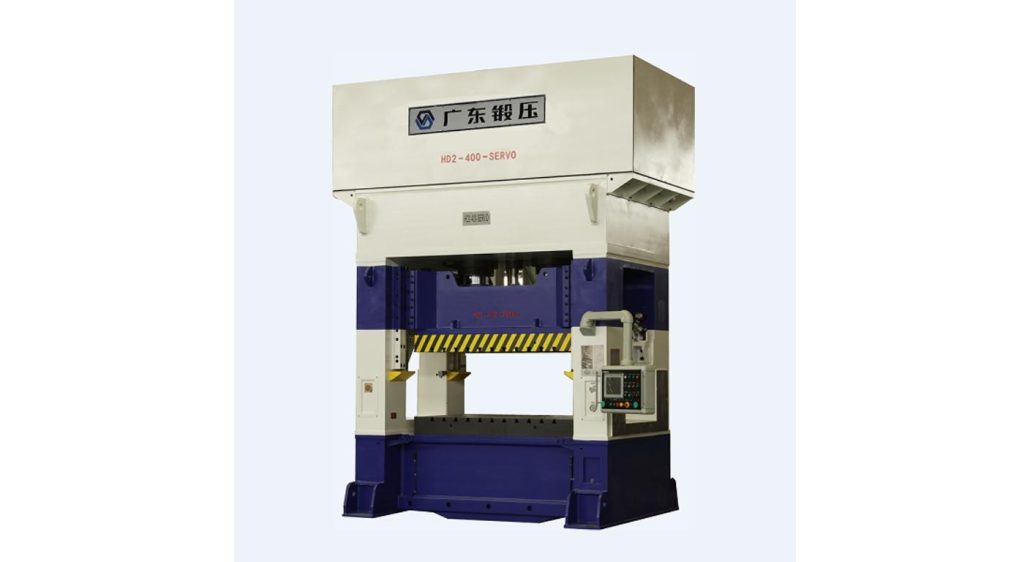
Understand When the real Need is Developing
There are some companies that look for this key word that make replacement parts as opposed to servicing already existing assemblies. The discussion of equipment for producing an equipment housing by drawing or forming sheet metal is different from removing a bearing.
GUANGDUAN’s YA28 four-column double action hydraulic press is documented for thin plate deep drawing, forming, aligning, bending and folding. It notes the capacity of the main cylinder and lower cylinder which is important when considering the tooling arrangement.
In such cases, supply material, blank details (geometry), forming depth and die detail. Inquire about the coordination of the forming force, blank holding, stroke and part removal. These are industrial needs and are not to be taken as proof that the same setup is a “garage product.
Example: Fit versus Repetitive Production Requirements
It is not uncommon that a repair workshop processes a large number of different assemblies, but only a small number of them. Access, fixture changes, working height and component positioning can then be as important as the nominal capacity. Look for the biggest setup you can realistically use, and the smallest task you need to perform using controlled contact.
A repeated cycle, tooling location and handling interfaces are usually more important in a component production facility. If the operation is well structured and predictable, it may be helpful to have a recipe management or to automate it. Those features must have a production intent.
Installation, operation and maintenance should be taken into account. Verify floors, electrical/hydraulic services, access to services points and available work space. Match equipment to its environment, don’t assume that just because it’s a larger machine in a factory it’s better for your repair shop.
Ask for and follow up on the evidence for the precise application.
Include a description of the task to be sent to the supplier, where repair, remanufacturing and new-part production are separated. Drawings or photos of the components, approved operation, tooling requirements and expected frequency. Identify information that is not known, so that it can be specifically addressed.
Ask for a demonstration or try out for the intended use. Before testing, specify the test result to be achieved, the condition of components to be tested and the method for inspecting them. The unloaded machine cycle is used to get the machine moving, not to end the job.
If you have an industrial forming requirement, please be in touch with GUANGDUAN with the process information, and request an assessment for a special model. When considering the purchase of equipment and fixtures for a workshop repair pressing, get a first-hand confirmation that the particular equipment and fixture is meant for the service task.
| Intended task | Reference to provide | Acceptance evidence |
| Service replacement | Applicable service procedure | Specified seating and component checks |
| Component remanufacturing | Approved rebuilding specification | Recorded inspection results |
| New sheet-metal part production | Part drawing and tooling plan | Repeated trial samples |
| Unfamiliar application | Defined task and known restrictions | Written suitability assessment |
Conclusion
When selecting the appropriate hydraulic press for car repair, it is essential to consider the task at hand, the support system and the level of control needed. Separate repair pressing process from the production of new components. GUANGDUAN’s published hydraulic platforms are suitable options for industrial forming applications, and repair applications need to be confirmed for their applicability.
FAQs
Q1. Can the replacement of all wheel bearings be done with a workshop press?
No, there is a difference between the bearing and hub designs. Use the service procedures and service intervals recommended by the vehicle manufacturer.
Q2. Do repair presses need to be bigger?
Not automatically. Appropriate fittings and access and controllable loading are still important. Capacity needs to be commensurate with the task specified.
Q3. Is GUANGDUAN’s listed hydraulic presses a garage press?
The pages reviewed are about industrial forming equipment. For a particular repair use, manufacturer confirmation is required.
Q4. Is there anything in the car that can be re-straightened using a press?
Not all components can be repaired and repair depends on manufacturers’ instructions. There are some damaged parts that need to be replaced.
Q5. What kind of information should the buyers include with the inquiry?
Explain Operation, Components, Tooling and its frequency. Make sure to clearly indicate if the project involves repair or manufacturing of new parts.
CONTACT US


Guangdong Metal Forming Machine Works Co., Ltd.
We are always providing our customers with reliable products and considerate services.
If you would like to keep touch with us directly, please go to contact us
-

Home
-

Tel
-

Email
-

Contact