
Hydraulic Press Machines for North Africa: Match the Press to Your Factory
Manufacturing test conditions for a hydraulic press can be satisfied and yet difficulties may arise during the installation. Forming process can be acceptable but poor maintenance access, or incomplete utility connection or an unplanned handling route can be a problem for good reliable production.
So the choice of hydraulic press machines for north Africa is thus a two-fold review – the requirements of the component and the support of the receiving factory. Use actual site as part of the specification. Country or region designations can not substitute for measured operating conditions and an agreed installation plan.
Make Project a part of a Defined Part Family.
Start by listing the thing(s) the machine is going to make. Drawings, grades of materials, thickness range, forming depths and surface condition required. Determine the largest tool and the operation that is likely to put the heaviest demands on the tool.
Do deep drawing operations separately from bending, sizing and other forming operations. Operations such as different types of force, travel, and blank holding means may be required even for identical parts on the outside, depending on the operation.
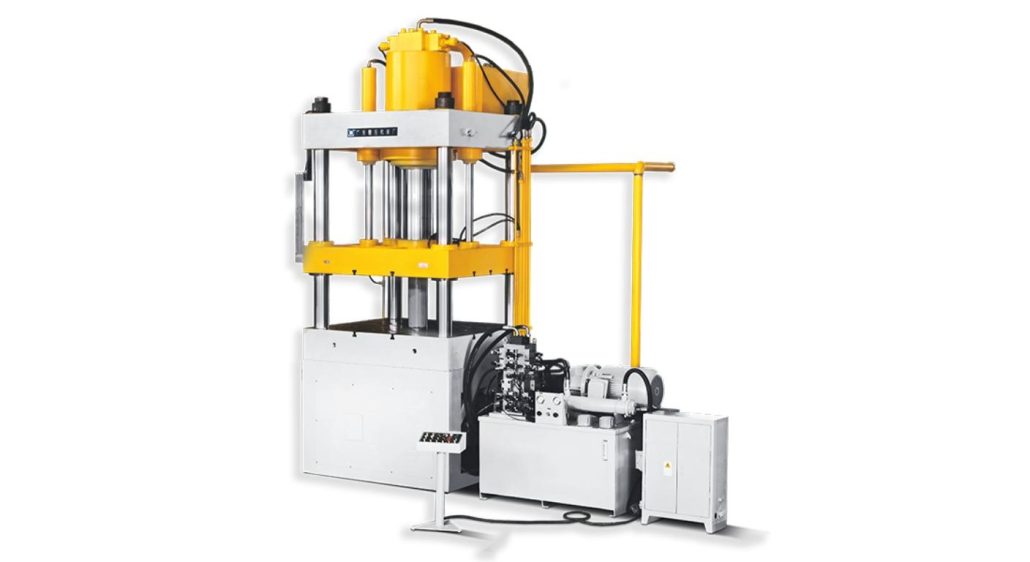
GUANGDUAN’s hydraulic press products are comprised of four-column double-action platforms and gantry servo ones. Take those families as the basis for an application review, and then determine the configuration in terms of the proposed tooling and production sequence.
Pick Forming Arrangement Before Comparing Capacity
The primary and control forces of the drawn sheet metal parts should complement each other. A nominal capacity number does not tell how force is applied via the tooling.
YA28 four column double action hydraulic press details: Thin plate deep drawing, forming, aligning, bending and folding. The published specification has two capacities: Main-cylinder and Lower-cylinder.
Have the supplier explain how those actions are related to the proposed die arrangement. Verify the working travel, forming speed, part release and if necessary, pressure hold. Evaluate configurations based on the operation they can do, not on the highest capacity that is quoted.
State the actual conditions in the Factory.
Write down the amount of electricity available at the installation location and hand it over to the manufacturer. Verify data of voltage, frequency, phases, protective arrangements and connection requirements with the electrical documentation of the proposed machine.
Assess the need for compressed air and cooling services as needed for the selected configuration. Set necessary supply conditions, connecting points and responsibility for the equipment outside the press. An engine by itself is not the whole installation requirement.
Determine known supply disruptions and/or operating limitations, and determine what steps the manufacturer must take in response. Don’t expect conditions in various nations, industrial zones or buildings in North Africa to be the same. The utility schedule agreed should include description of the receiving factory.
Check Heat and Contamination Around the Installation.
Measure or determine the conditions in the building, under which the device must operate, including the seasonality of the building environment, if applicable. A press that is next to another heat producing process may have a different environment compared to equipment in other parts of the same building.
Check with the manufacturer the ambient conditions allowed and how the proposed hydraulic system is going to control the heat in the proposed cycle. Working speed, pressure holding, utilisation and services available should be taken into account when deciding on cooling requirement.
Examine other dust exposure issues, cleaning procedures and access to heat exchangers, breathers and filters. If there is a concern about humidity or corrosion, specify this in detail. Do not assume that a standard machine has special environmental protection in the technical proposal, but make a request.
Optimize the Layout Work outside the Press Footprint
Provide room for largest approved die, incoming blanks, finished parts and for normal operator activity. Only one aspect of the production area taken up by the machine is the machine footprint.
Inspect route to place equipment into position, such as doors and overhead clearance/lifting access. Before building work or arranging lifting equipment, make sure to get the manufacturer’s foundation, loading and installation details.
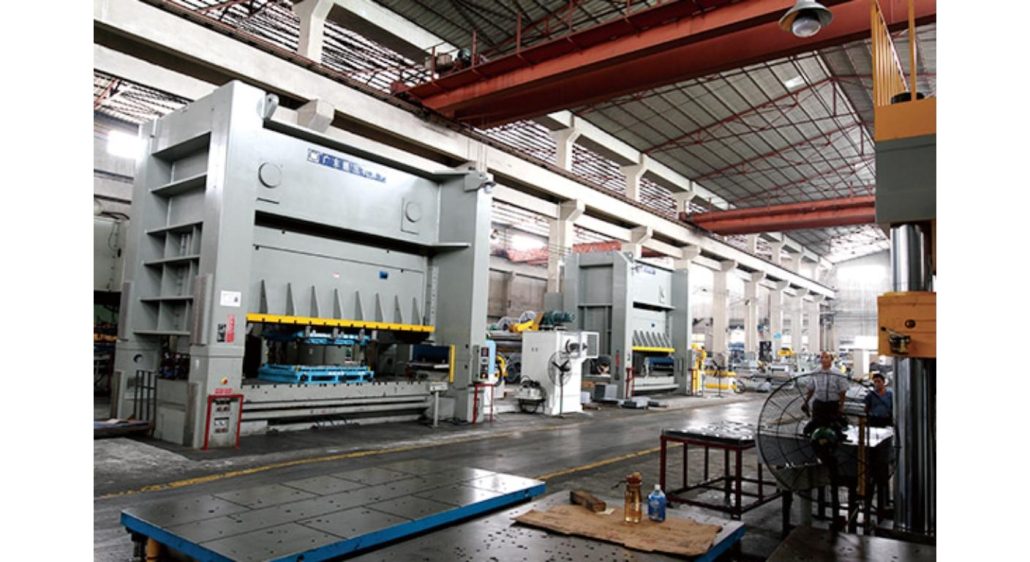
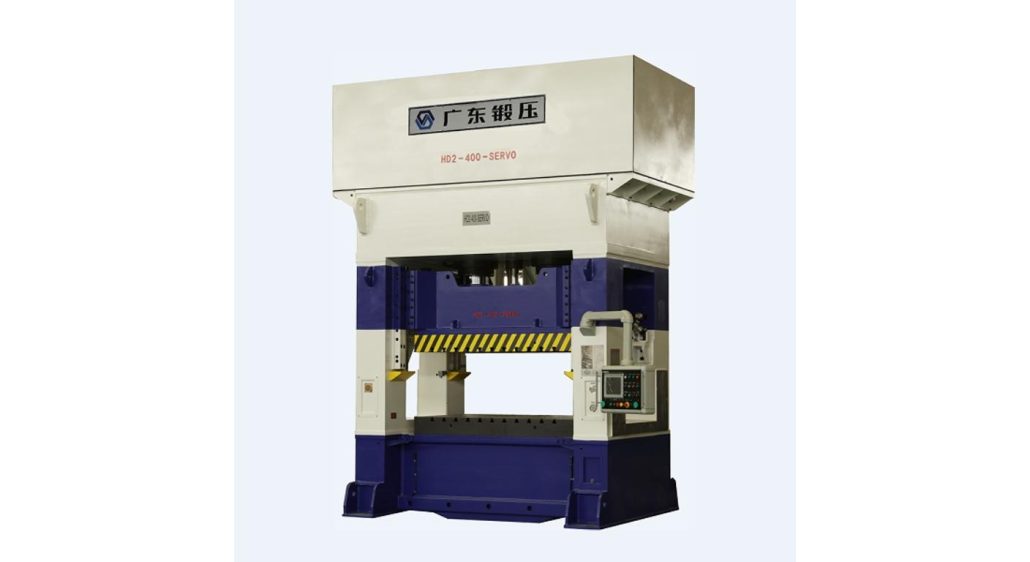
When making frequent tool changes, evaluate tool entry and exit of dies. The GY2S servo hydraulic press offers movable-bolster options. Check availability, direction of travel and rated load of the configuration quoted and add the whole envelope of movement in the layout.
Analyze Servo Control in the Production Cycle
Servo technology needs to be evaluated on a specified production task. How the machine is used also has an impact on its energy consumption, such as the forming speed, holding time, idle time and handling delay.
Closed loop control with pressure and displacement sensor, with a servo drive and PLC is described on the GY2S page. It will also store 20 sets of mould parameters. These features offer certain functions to be discussed when planning repeated production and changeovers.
Decide on settings to be kept, who may change them, and how setting changes will be reverted to approved settings. To make an energy comparison, specify the component, output rate, operating period and auxiliaries that are included. Don’t use a bulk saving claim for all production schedules.
Early preparation of Maintenance and Operator Handover.
Establish maintenance activities the factory staff will carry out and determine activities that will need specialist support. Ask for documentation in a form that can be easily understood, identification of components and a suggested list of spare parts for the delivered configuration.
Determine the manufacturer’s recommendations for hydraulic fluid requirements, inspection frequency and handling of replacement filters and seals. Review layout, and check access to service points before equipment is placed around them that will impede maintenance.
Identify language and type of training required by the receiving team. Setup and normal operation, fault reporting and restoration of approved settings. Training and remote assistance should be tangible products and accountability of responsibilities should be defined prior to commissioning.
To confirm the Installed Process Under Agreed Conditions.
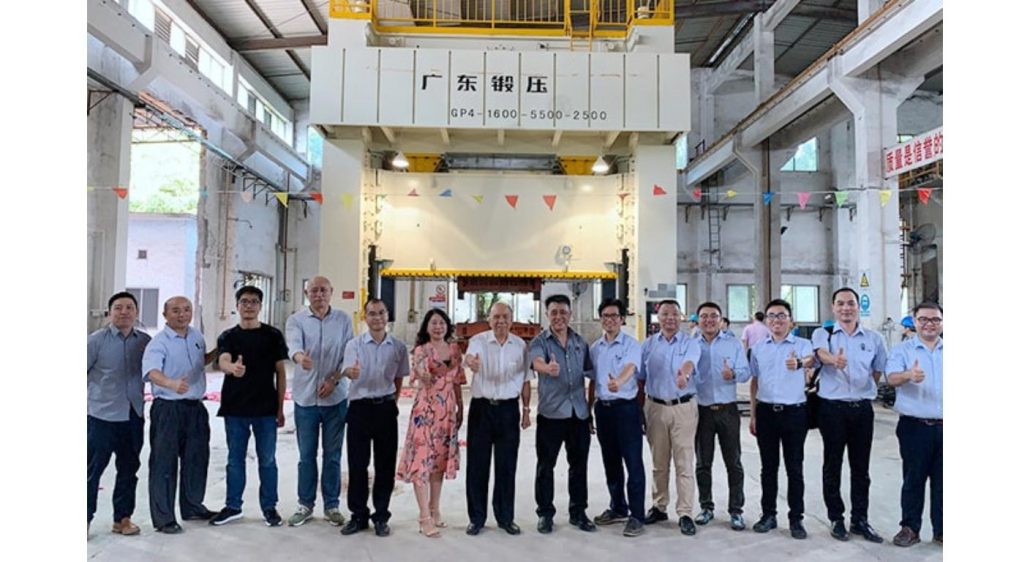
Checks that are done before the shipment and checks after installation. At factory testing defined machine functions can be demonstrated and in the site commissioning the installed utilities, handling interfaces and arrangement must also be confirmed.
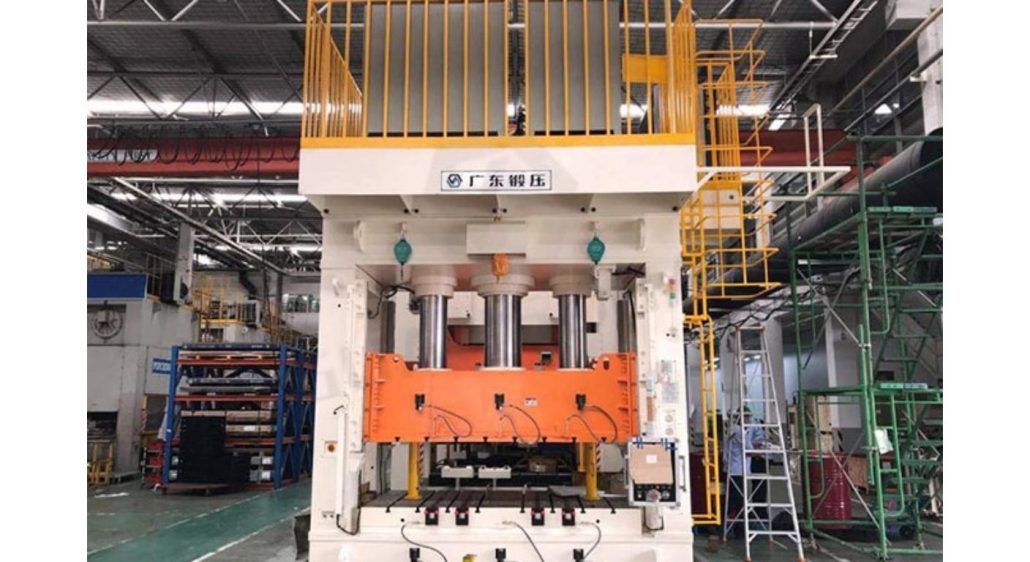
As long as tooling and representative stock are available, evaluate repeated acceptable parts within agreed cycle. Make notes of the settings, inspection outcomes and disruptions. Recognise what good findings are not allowing production to go ahead and who will fix them.
Submit GUANGDUAN part requirements and site information simultaneously to ensure the proposal can take care of both. A coordinated review allows linking the selection of the machine with the condition to use it effectively.
| Record | When to capture it | Purpose |
| Indoor ambient condition | At the start and during the trial | Context for thermal performance |
| Connected utility readings | Before operation and under load | Comparison with agreed requirements |
| Tooling and material identification | Before each trial setup | Traceability of test results |
| Interruptions and adjustments | Throughout the trial | Explain differences in accepted output |
Conclusion
When buying hydraulic press machine in North Africa, it is important to fix a certain forming task and receiving factory. Verify working actions, utilities, and environmental conditions and handling layout prior to final approval. A well-defined commissioning plan translates those requirements to a set of evidence that the installed process is ready to be put into production.
FAQs
Q1. Can one hydraulic press design be used in all North African factories?
No, there are different processes and conditions at the site. Do an individual assessment of the receiving factory.
Q2. Is the nominal capacity a measure of all of the forming force available?
Not necessarily. With double-action machines, separate working capacities are given. Verify the proper cylinder and tooling set-up.
Q3. Does a cooling system always have to be used to cool the oil?
There is no one size fits all solution. The manufacturer should evaluate the duty cycle, environment and intended hydraulic circuit.
Q4. Is servo-control a fixed energy saving percentage?
No, the amount of consumption is dependent upon the cycle and operating conditions. Compare the results of measurements on a common basis.
Q5. What should go hand in hand with the initial question?
Give part drawings, detailing and production targets for tooling. Provide site layout, utilities and operating conditions.
CONTACT US


Guangdong Metal Forming Machine Works Co., Ltd.
We are always providing our customers with reliable products and considerate services.
If you would like to keep touch with us directly, please go to contact us
-

Home
-

Tel
-

Email
-

Contact